Summary
A kitchen hood shunt system is a safety feature that automatically shuts off your cooking equipment if the hood stops working or if the fire suppression system activates. Required by NFPA 96 and many local codes, shunt systems protect your staff, your kitchen, and your business from fires and ventilation failures. Learn how they work, why they’re a best practice, and how to tell if your commercial kitchen needs one.
Do You Need a Shunt System?
Use this quick checklist to find out:
✅ Do you have gas or electric cooking equipment under a hood?
✅ Does your local fire code require automatic shutoff if ventilation fails?
✅ Have inspectors ever mentioned NFPA 96 compliance?
✅ Do you want to reduce fire risk in your kitchen?
✅ Would you like your equipment to shut down automatically if the fire system activates?
If you answered “yes” to even one of these questions, a shunt system may be required—or just a smart safety upgrade for your kitchen.
What Is a Shunt System?
In a commercial kitchen, a shunt system is like a safety switch for your cooking equipment.
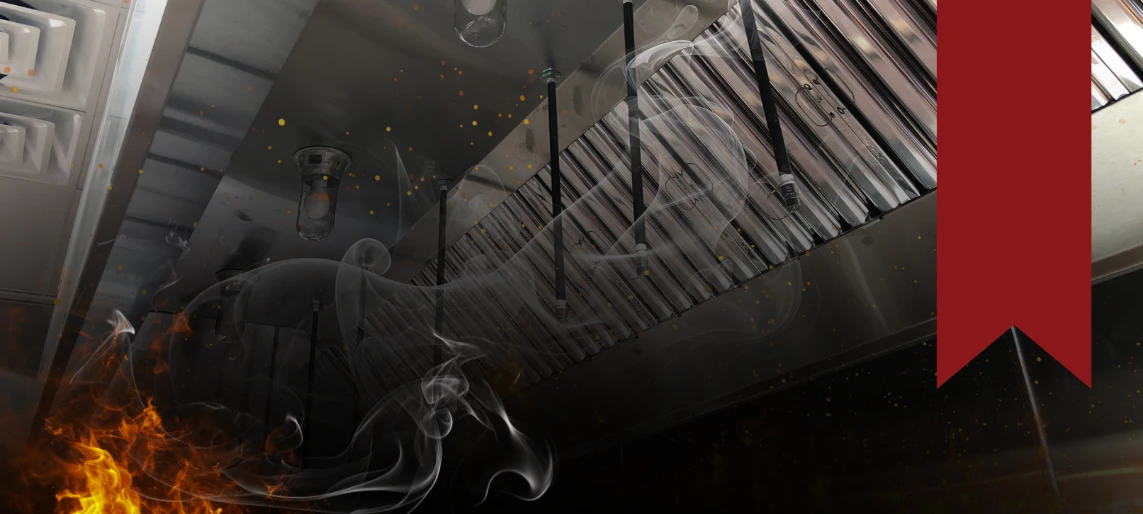
If the kitchen hood isn’t working—or if the fire suppression system goes off—the shunt system automatically shuts down the equipment under that hood.
Think of it like the seatbelt sensor in a car: if you’re not buckled in, your car might beep or limit certain features. The shunt system does something similar—if the hood isn’t doing its job, it stops the cooking equipment so things don’t get dangerous.
How Does It Work?
A shunt system connects your kitchen hood and your cooking equipment through special wiring or gas controls:
• For electric equipment – It cuts the power.
• For gas equipment – It shuts off the gas valve.
This happens instantly if:
1. The hood stops pulling out smoke and heat (exhaust failure).
2. The fire suppression system activates because there’s a fire.
Once the hood is fixed or the fire system is reset, the equipment can be turned back on.
Why Is It a Best Practice?
1. Fire Safety – Stops heat, flames, or smoke from getting worse.
2. Keeps People Safe – Protects cooks, staff, and customers.
3. Protects Your Kitchen – Prevents damage to equipment and the building.
4. Meets the Rules – NFPA 96 and local codes often require it.
5. Passes Inspections – Health and fire inspectors will check for it.
Real-Life Example
Imagine you’re cooking burgers on the grill and the hood fan suddenly breaks. Without a shunt system, the heat and smoke could quickly fill the kitchen—creating a fire hazard and possibly forcing an emergency evacuation. With a shunt system, your grill turns off immediately, keeping everyone safe.
Why Aldevra Recommends It
At Aldevra, we make sure your kitchen meets safety codes and works smoothly. We supply and install kitchen hoods, fire suppression, and shunt systems so you can focus on running your business—not worrying about safety failures.
If you’re unsure whether you need a shunt system, we can help you review your local codes, evaluate your current setup, and recommend the right solution for your kitchen.
FAQ: Shunt Systems for Commercial Kitchen Hoods
1. What exactly does a shunt system do?
A shunt system automatically shuts off your cooking equipment if the hood stops working or if the fire suppression system activates. It prevents heat, smoke, and flames from building up when ventilation isn’t functioning.
2. Is a shunt system required by code?
In many cases, yes. NFPA 96 requires automatic equipment shutoff when ventilation fails or when the fire system discharges. Local fire codes may also mandate it. Your inspector or AHJ (Authority Having Jurisdiction) has the final say.
3. How do I know if my kitchen needs one?
If you have gas or electric equipment under a hood, if inspectors have mentioned NFPA 96, or if your jurisdiction requires automatic shutoff during hood failure, you likely need a shunt system. Even when not required, it’s a smart safety upgrade.
4. Does a shunt system work for both gas and electric equipment?
Yes.
- For electric equipment, it cuts the power.
- For gas equipment, it closes the gas valve.
The system is designed to match whatever fuel source your equipment uses.
5. What triggers a shunt system to activate?
Two main events:
- Hood failure (the exhaust stops pulling air).
- Fire suppression activation, which means there’s a fire under the hood.
When either happens, the system shuts off power or gas instantly.
6. Will the cooking equipment restart on its own afterward?
No. For safety, the equipment stays off until the hood is operating correctly and the fire suppression system has been reset. Staff must turn equipment back on manually once everything is safe.
7. Does a shunt system help with fire prevention?
Absolutely. By cutting heat and fuel sources during an emergency, it prevents fires from growing and reduces damage to the kitchen, hood, and building.
8. Is installation complicated?
It requires coordination between your hood, fire suppression system, and electrical or gas supply. A qualified installer ensures the wiring and gas controls are configured correctly and meet code.
9. How can I tell if I already have a shunt system?
Check your hood’s control panel or ask your fire suppression provider. If equipment shuts off when the system is tested or discharged, you likely have a shunt system in place.
10. Can Aldevra install or inspect a shunt system for my kitchen?
Yes. We can review your current setup, check code requirements, coordinate installation, and ensure everything functions safely and correctly during emergencies or inspections.