Summary
Community commercial kitchen equipment, shared-use kitchen requirements, commissary kitchen equipment checklist, what you need to rent a commercial kitchen
Community commercial kitchens—also known as shared-use kitchens or commissary kitchens—are in demand. Food entrepreneurs, caterers, meal-prep businesses, bakers, and pop-up restaurant owners all need licensed kitchen space to operate legally.
If you’re planning to build a kitchen for community members to rent, the biggest question is: What equipment do you actually need?
Here’s a clear, no-fluff guide to the essential equipment categories, why they matter, and how to choose the right mix for a variety of users.
1. Cooking Equipment
Your kitchen must be flexible enough to support multiple types of food businesses.
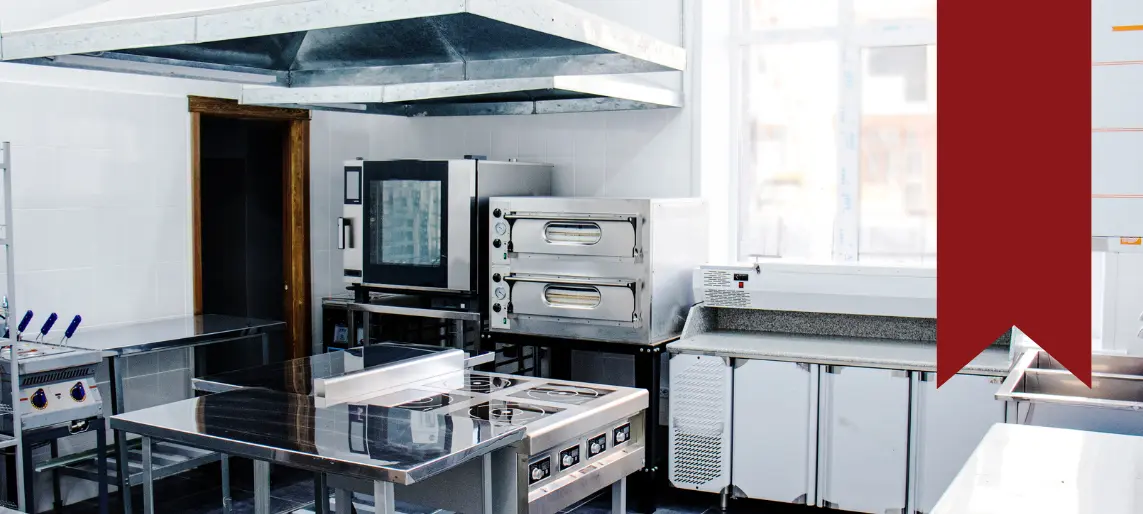
Core cooking items usually include:
- Commercial ranges (4–6 burner gas or electric)
- Convection ovens
- Combi oven (ideal for versatility without adding multiple units)
- Flat-top griddle
- Charbroiler
- Fryers (1–2 units depending on fire suppression needs)
- Commercial microwave (heavy-duty, not residential)
Why this matters:
Different tenants come with different menus—this ensures you can accommodate almost anything from bakers to caterers to food trucks doing prep.
2. Refrigeration & Freezer Storage
Shared kitchens need more cold storage than a typical restaurant because multiple tenants store ingredients.
Recommended items:
- Walk-in cooler (larger footprint with shelving zones for each renter)
- Walk-in freezer or reach-in freezer
- Reach-in refrigerators for overflow or high-turnover ingredients
- Undercounter refrigerators for prep stations
Pro tip:
Install lockable shelving or assign labeled zones so renters can safely store their items without mix-ups.
3. Ice & Beverage Equipment
Even if you’re not a beverage-focused kitchen, ice is a universal need.
- Commercial ice machine (nugget, flake, or cube depending on expected users)
- Ice storage bin
- Water filtration system (critical for equipment longevity)
4. Ventilation & Fire Suppression (Required by Code)
This is not optional.
You’ll need:
- Type I hood for equipment that produces grease-laden vapors (fryers, grills, ranges)
- Type II hood for heat/steam equipment (ovens, dishwashers)
- Fire suppression system
- Proper make-up air
These are major cost drivers—design them early.
5. Dishwashing & Sanitation
Shared kitchens must maintain strict sanitation standards.
Dish area essentials:
- Commercial dishwasher (door-type or conveyor depending on volume)
- Three-compartment sink
- Prep sink
- Handwashing sinks (multiple throughout the space)
- Mop sink
- Grease trap
Pro tip:
The dish area must be efficient because renters will be cycling through all day.
6. Food Prep Equipment
This is where you ensure the kitchen works for many different users.
- Stainless steel prep tables
- Workstations with cutting boards
- Commercial mixers (20 qt and/or 60 qt for bakers)
- Food processors
- Slicers
- Sheet pans, hotel pans, basic utensils
- Rolling racks
You don’t need to provide every smallware item, but basic tools help beginners and reduce friction.
7. Dry Storage
Food businesses need a lot of shelf space.
- Lockable dry storage cages
- Metro/wire shelving
- Ingredient bins
Allowing tenants to rent their own shelf or cage can create an additional revenue stream.
8. Cleaning, Safety & Compliance Items
These are often overlooked but required:
- First aid kit
- PPE & gloves
- Chemical storage
- Sanitizer buckets
- Thermometers
- Labels for FIFO compliance
- Waste receptacles (with lids)
- Floor mats
- Slip-resistant flooring
9. Small Appliances (Optional but Helpful)
These can make your kitchen more attractive to renters:
- Toaster or conveyor toaster
- Food dehydrator
- Induction burners
- Panini press
- Small countertop steamers
10. Tech & Operational Tools
A rental kitchen isn’t just about equipment—it’s about smooth operations.
- Online booking software
- Security system with cameras
- Keycard or coded access for off-hours
- POS or payment kiosk (optional)
- Wi-Fi for renters
Full Equipment Checklist for a Community Rental Kitchen
Great for planning and budgeting.
- Cooking equipment (range, oven, griddle, fryer, microwave)
- Ventilation hoods & fire suppression
- Walk-in cooler & freezer
- Reach-in refrigeration
- Ice machine + filtration
- Stainless steel prep tables
- Commercial mixers & processors
- Dishwashing station & sinks
- Dry storage shelving & lockable cages
- Handwashing stations
- Cleaning & sanitation supplies
- Trash & recycling areas
- Safety equipment
- Smallwares
- Tech & operational systems
FAQs
Do I need a hood for everything?
No. Only equipment that produces grease-laden vapors requires a Type I hood. Ovens and washers often only require a Type II hood.
Can renters bring their own equipment?
Usually only small countertop appliances—large plug-in or gas equipment must meet facility compliance and electrical load requirements.
How big should the walk-in cooler be?
As big as the space allows. Shared kitchens fill walk-ins fast.
Do I need separate stations for renters?
Some kitchens do shared stations; others assign stations by hour. Design depends on your business model.
Should I require renters to complete food safety training?
Yes—most commissary kitchens require ServSafe Manager or Food Handler certifications.