Summary
What jails, prisons, detention centers, and special units typically require — and why.
Correctional facilities do not all purchase the same equipment. Security level, population size, labor model, and meal delivery method shape which equipment is essential.
This section helps buyers quickly identify what they need based on facility category, reducing confusion and accelerating procurement decisions.
A. County & Municipal Jails (Short-Term, High-Turnover Facilities)
Operational Traits:
- Limited kitchen space
- High incarcerated individual turnover
- Unpredictable meal counts
- Reduced incarcerated individual labor usage
Most Common Equipment Needs:
- Combi ovens (correctional package) — flexible menu execution
- Compact steamers & convection ovens
- Small conveyor or door-type dish machines (tamper-resistant)
- Insulated hot/cold meal carts
- Enclosed-base prep tables
- Reach-in refrigerators with reinforced hinges
- Basic vent hoods with tamper-proof panels
- Portable hot-holding cabinets
Why this mix works:
Jails need flexibility + durability + simplicity. Equipment must survive rapid turnover and less predictable workflows.
B. Medium-Security State Prisons (Stable Populations, High Volume)
Operational Traits:
- Large daily meal volumes
- Predictable schedules
- Incarcerated individual labor used for prep + dishroom tasks
Most Common Equipment Needs:
- High-volume trayline conveyors
- Kettles (40–80 gallon) with locked control panels
- Tilt skillets / braising pans (secure controls)
- Combi ovens with reinforced doors
- Large-capacity dish machines (flight-type preferred)
- Correctional-grade walk-in coolers & freezers
- Bulk storage shelving (enclosed/welded)
- Secure ingredient bins & chemical storage rooms
Why this mix works:
Prisons require industrial-scale throughput and equipment robust enough for continuous use and safe enough for supervised incarcerated individual operation.
C. Maximum-Security & Close-Custody Prisons (High Security, Strict Control)
Operational Traits:
- Limited incarcerated individual access to equipment
- Priority on tamper-proofing
- Elevated contraband risks
- Intense supervision requirements
Most Common Equipment Needs:
- Totally enclosed-base cookline equipment
- Locked programming ovens & steamers
- Sloped-top prep tables (anti-ligature)
- Induction units instead of open flame
- Secure, locking tray delivery carts
- Unitized trays/clamshell trays for restricted housing units
- Refrigeration units with reinforced hinges & tamper locks
- Shadow-board tool control systems
Why this mix works:
Security outweighs convenience. Equipment selection revolves around eliminating tampering, weaponization, and contraband-hiding opportunities.
D. Federal Detention Centers (ICE, USMS, Specialty Populations)
Operational Traits:
- Multiple diet requirements (kosher, halal, medical, allergy)
- Mixed incarcerated populations
- Medium-to-high turnover
Most Common Equipment Needs:
- Multi-diet tray systems with color coding
- High-capacity refrigeration for segregated diets
- Batch cookers (kettles, steamers)
- Medium-to-large conveyor dish machines
- Secure mobile transport carts for pod distribution
- Labeling systems for diet compliance
Why this mix works:
Federal detention emphasizes diet accuracy + controlled meal delivery + durable equipment.
E. Juvenile Detention Centers (Low–Medium Security)
Operational Traits:
- Limited incarcerated individual labor
- Emphasis on safety and noise reduction
- Smaller populations
Most Common Equipment Needs:
- Simplified digital-control ovens
- Induction ranges (cooler, safer)
- Quiet dish machines (sound-dampened panels)
- Errand carts with enclosed sides
- Rounded-edge prep furniture
- Color-coded cleaning and prep tools
Why this mix works:
Juvenile centers prioritize safety, supervision simplicity, and reduced stress environments.
F. Kitchen Equipment Needed by Category (Cross-Facility)
This sub-section appeals to SEO searches like “prison cookline equipment list”, “dishroom equipment for jails,” etc.
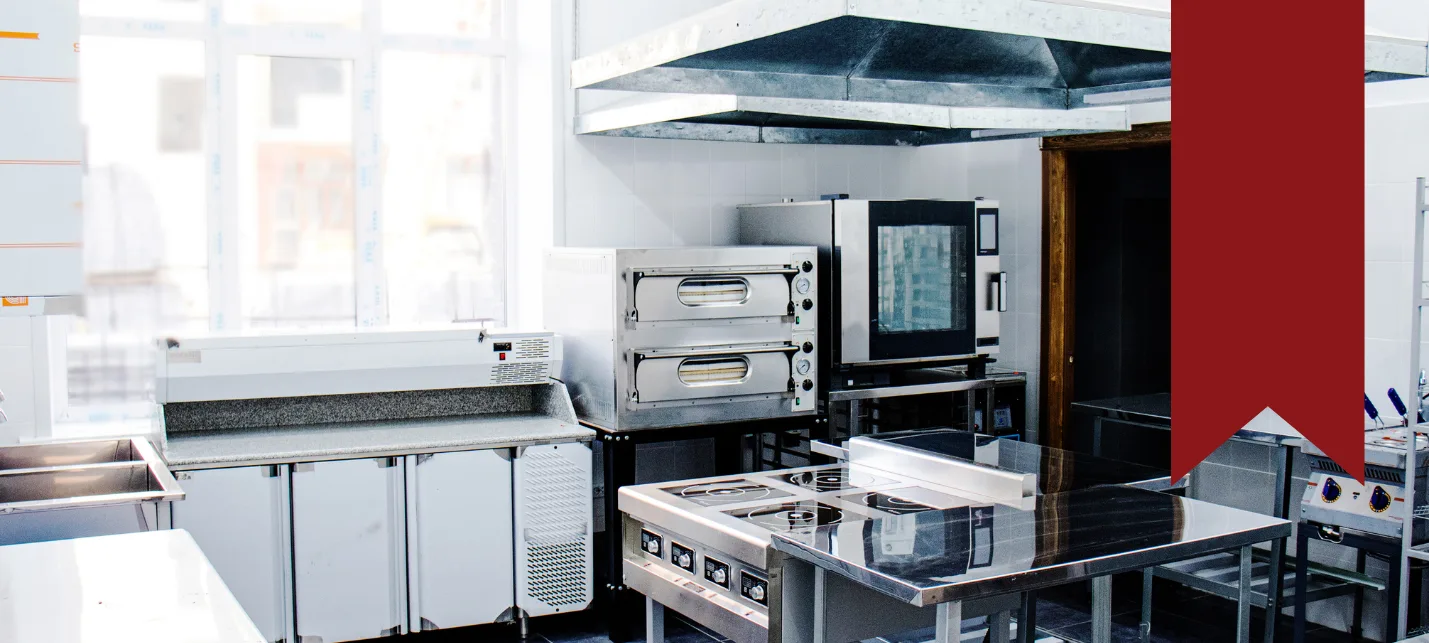
1. Cookline Equipment
- Combi ovens (tamper-resistant)
- Correctional-series convection ovens
- Steam kettles with enclosed bases
- Tilt skillets
- Secure steamers
- Institutional fryer alternatives (often eliminated in corrections)
Common Goal: High capacity + minimal incarcerated individual access to mechanical components.
2. Dishroom Equipment
- Conveyor / flight-type dish machines
- Soiled tray return conveyors
- Secure dish tables (welded bases)
- Screened scrap troughs
- Anti-clog drain guards
- Soiled cart inspection stations
Common Goal: High throughput + tamper-proofing.
3. Refrigeration & Cold Storage
- Walk-ins with reinforced hinges
- Reach-ins with recessed handles
- Lockable control panels
- Floor-mounting kits
- Dry storage shelving (enclosed or welded)
Common Goal: Preventing tampering while maintaining HACCP integrity.
4. Meal Delivery Systems
- Insulated trays (non-weaponizable)
- Unitized clamshell trays
- Locking meal delivery carts (hot/cold or ambient)
- Cart staging stations
- Route mapping signage
Common Goal: Secure, temperature-compliant delivery workflows.
5. Prep & Sanitation Equipment
- Enclosed-base worktables
- Sloped-top cabinets
- Secure ingredient bins
- Mop stations with restricted access
- Anti-ligature faucet designs
Common Goal: Reduce contraband risks in high-contact areas.