Summary
The kitchen is the heart of food service but it can also be one of the most hazardous environments for staff and patrons if safety isn’t a priority. Protecting people from physical harm is just as important as ensuring great food. Here’s how kitchen operators can create a safer, more secure environment.
The Overlooked Side of Kitchen Safety
When most people think of “kitchen safety,” they think about foodborne illness or cross-contamination. But physical safety — preventing slips, trips, burns, cuts, and other hazards — is equally critical. In high-traffic environments like healthcare facilities, VA kitchens, and restaurants in busy cities, risks can escalate quickly without proactive measures.
Common Physical Hazards in Commercial Kitchens — and How to Address Them
1. Slips, Trips, and Falls
• Hazards: Wet floors from spills, mopping, ice machines, and dishwashing; cluttered walkways; uneven flooring.
• Solutions:
• Install non-slip mats in wet zones and high-traffic areas.
• Require slip-resistant footwear for all staff.
• Establish a “clean as you go” policy for spills and dropped items.
• Use floor signage to mark wet or hazardous areas immediately.
• Schedule regular floor maintenance to repair cracks, uneven tiles, or loose mats.
2. Burns and Scalds
• Hazards: Hot ovens, fryers, grills, steamers, and boiling liquids.
• Solutions:
• Provide heat-resistant gloves, aprons, and arm guards.
• Train staff to open oven and steamer doors slowly to release steam safely.
• Keep handles turned inward on stovetops to prevent accidental spills.
• Use splash guards for fryers and steam kettles.
• Position high-risk equipment away from high-traffic paths.
3. Cuts and Lacerations
• Hazards: Knives, slicers, broken glass, and food processors.
• Solutions:
• Provide cut-resistant gloves and knife safety training.
• Maintain sharp knives — dull blades are more likely to slip.
• Store knives on magnetic strips or in knife blocks, never loose in drawers.
• Require equipment safety guards to remain in place on slicers and choppers.
• Implement safe dishwashing protocols for sharp items.
4. Ergonomic Strain and Heavy Lifting
• Hazards: Lifting heavy boxes, bending awkwardly, or repetitive motion injuries.
• Solutions:
• Provide dollies, carts, and lift-assist devices for heavy loads.
• Store heavy items at waist height to reduce strain.
• Rotate staff between tasks to avoid repetitive stress injuries.
• Train all staff in proper lifting techniques.
5. Security Concerns
• Hazards: Public access to back-of-house, staff working late in urban areas, theft, or violence.
• Solutions:
• Install controlled-access doors to kitchen areas.
• Use security cameras for entrances, loading docks, and storage.
• Have a visitor check-in process for vendors and contractors.
• Implement buddy systems for late-night closing shifts.
• Ensure exterior lighting is bright and functional.
Additional Safety Best Practices for Kitchens
• Routine Safety Inspections – Conduct monthly walk-throughs to spot hazards.
• Clear Communication – Use headsets or hand signals to alert staff when moving hot or heavy items.
• Fire Prevention – Clean grease traps regularly, keep fire extinguishers accessible, and train staff on their use.
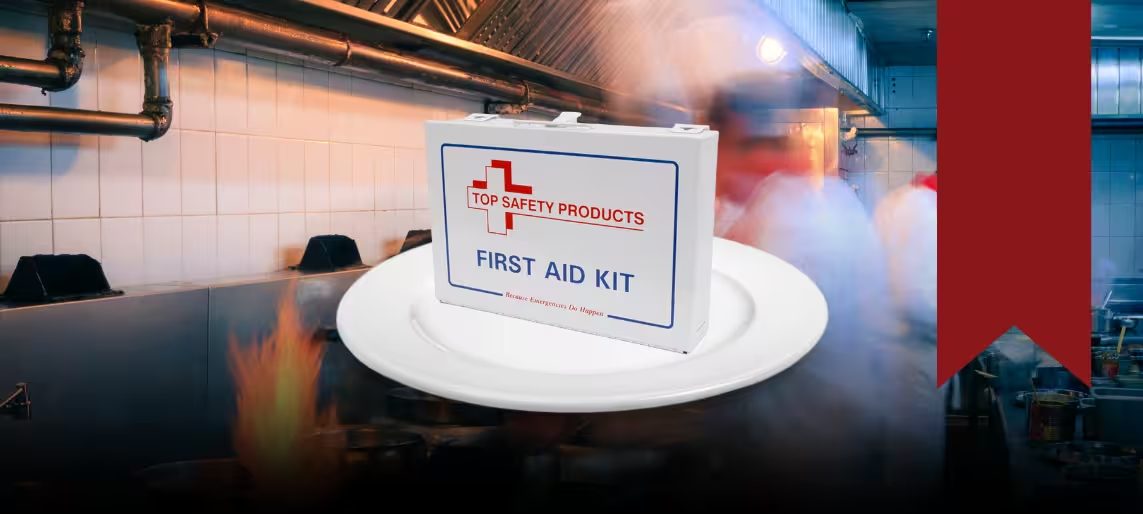
• First-Aid Readiness – Stock first-aid kits and train staff in basic first aid and CPR.
• Emergency Drills – Practice evacuation and fire procedures so everyone knows their role.
• Equipment Training – Require sign-offs before an employee can use high-risk equipment.
• Lighting – Ensure prep and cook areas are well-lit to prevent accidents.
Bottom Line:
Whether you’re serving patients, staff, or the public, kitchen safety starts with a commitment to protecting people first. From hazard prevention to security protocols, the right safety measures keep your team and guests safe — and your operations running smoothly.
Contact Aldevra Today
Aldevra specializes in outfitting and maintaining safe, efficient kitchens for government, healthcare, and commercial clients. We help you choose equipment, layouts, and procedures that prioritize safety without sacrificing productivity.
📞 Call us at (269) 350-1337
📧 Email sales@aldevra.com
🌐 Visit www.aldevra.com to start your safety upgrade.
You Might Be Wondering
1. What are the most common physical risks in a kitchen?
Slips, burns, cuts, and muscle strain. These happen daily in busy kitchens if safety habits aren’t consistent.
2. How can I make my kitchen floor safer?
Use non-slip mats, fix cracks quickly, and make sure spills get cleaned right away.
3. Why do sharp knives matter for safety?
A sharp knife cuts cleaner and is easier to control. Dull blades slip and cause more injuries.
4. How can staff avoid back pain and strain?
Store heavy items at waist height, use carts for lifting, and rotate tasks to avoid repeating the same motion all day.
5. What’s the best way to prepare for kitchen fires or emergencies?
Keep fire extinguishers visible, clean grease traps often, and run short fire drills so everyone knows what to do.


.png)
.png)