Summary
Mold contamination is one of the most common — and costly — problems in a cannabis kitchen. It can ruin entire batches, trigger failed lab tests, delay product launches, and even shut down production during inspections. Because cannabis edibles behave like food products, operators must maintain strict environmental control, sanitation standards, and ingredient handling practices to keep mold out of their facility.
Aldevra works with cannabis edibles manufacturers across the country, helping them design compliant, efficient kitchens that meet foodservice and cannabis regulatory standards. This guide covers the most important steps to avoid mold contamination and keep your edibles operation running smoothly.
1. Why Mold Is Such a High Risk in Cannabis Kitchens
In cannabis edibles manufacturing, mold can:
- Grow on high-moisture ingredients
- Survive in improperly cleaned equipment
- Develop in cooling or packaging rooms
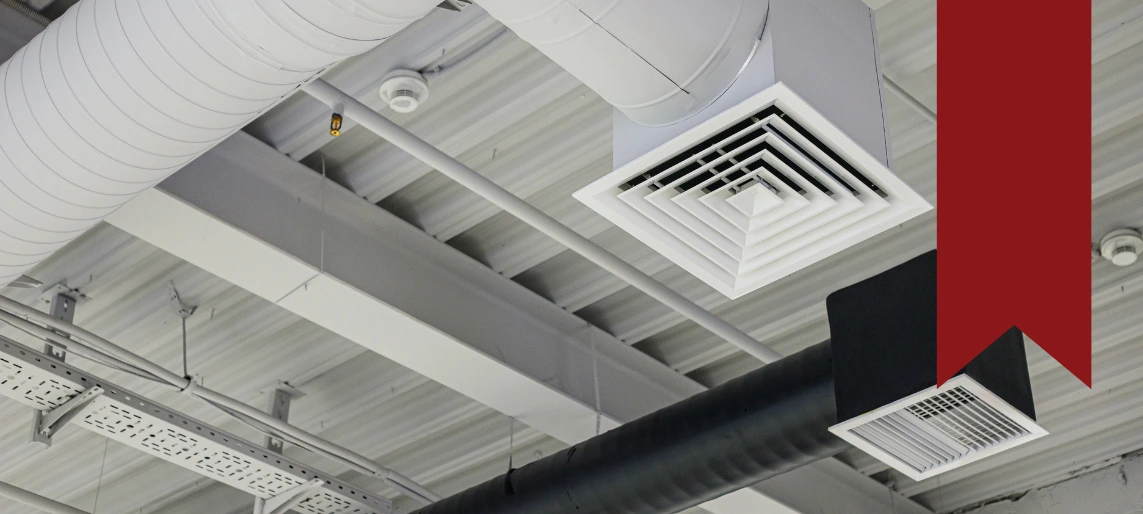
- Spread through HVAC and ventilation systems
- Form inside improperly stored infused oils
- Appear in high-humidity environments (common in gummy and chocolate rooms)
- Trigger compliance failures and immediate quarantine of product
Because cannabis products are held to strict state testing requirements, even trace mold contamination can lead to failed COAs, wasted product, and loss of revenue.
2. Control Humidity — Your #1 Defense Against Mold
Mold thrives in environments with moisture and stagnant airflow. Most cannabis kitchens unintentionally create ideal conditions for mold, especially during gummy cooling or chocolate handling.
Ideal Environmental Conditions for Edibles Production:
Gummies:
- < 45% Relative Humidity (RH)
- 65–72°F
Chocolate:
- < 50% RH
- 64–70°F
Dry Storage:
- < 55% RH
- 60–70°F
High humidity is the #1 cause of microbial contamination in cannabis edibles.
Humidity Control Tools Aldevra Recommends:
- Commercial-grade dehumidifiers
- Dedicated cooling rooms for gummies
- Air curtains or partitions
- Correctly sized HVAC
- Airflow-balanced blast chillers
- Regular HVAC filter replacement
Humidity control is essential for GMP readiness, mold prevention, and COA compliance.
3. Proper Sanitation Practices to Prevent Mold
Your sanitation plan determines whether mold has a place to grow.
Sanitation Standards Inspectors Expect:
- Smooth, non-porous, NSF-certified work surfaces
- Approved sanitizers (quats, chlorine, etc.)
- Daily cleaning logs
- Scheduled deep cleaning (walls, floors, drains)
- No standing water or wet floors
- Proper storage of chemicals
- Mold-resistant caulking around sinks and equipment
- Clean drains with drain screens or enzymatic cleaners
High-Risk Areas for Mold:
- Behind equipment
- Under racks
- Inside walk-ins
- Cooling rooms
- On silicone molds
- In poorly dried utensils
- Under worn-out gaskets
- In clogged drains
Tip: Replace silicone gummy molds more often than you think. Micro-cracks hold moisture and create the perfect environment for mold.
4. Use the Right Equipment (NSF-Certified Only)
Using residential or unapproved equipment leads to surfaces that are:
- Porous
- Hard to clean
- Poor at draining
- Prone to holding moisture
- Perfect for mold growth
Inspectors expect all equipment in a cannabis kitchen to follow commercial foodservice standards.
Aldevra Recommends:
- Stainless steel prep tables
- NSF shelving
- High-temp dishwashers
- Commercial 3-compartment sinks
- Floor mixers with sealed bases
- Walk-ins with proper gaskets
- Blast chillers with adequate drainage
These items are not just convenience — they are essential for mold prevention and compliance.
5. Ingredient Handling: Stop Mold Before It Starts
Certain ingredients in edibles attract mold:
- Gummies: gelatin, pectin, sugar syrup
- Baked goods: flour, eggs, fats
- Chocolate: cocoa butter, milk powder
- Beverages: sugars, juices
- Infused oils: especially if improperly stored
Best Practices:
- Store all ingredients in sealed, labeled, food-safe bins
- Keep dry ingredients off the floor (at least 6")
- Implement FIFO (first in, first out) inventory
- Refrigerate or freeze ingredients prone to mold
- Check oils for clarity and odor
- Remove “open” dates and “use by” dates
- Never store ingredients in the cardboard they shipped in — cardboard holds moisture and is a mold vector
6. Cooling, Drying & Airflow — The Hidden Causes of Mold Growth
Improper cooling is one of the most overlooked sources of mold contamination in cannabis kitchens.
Key Problems:
- Cooling gummies in a high-humidity walk-in
- No dedicated chocolate room
- Insufficient airflow around racks
- Slow cooling cycles
- Wet floors under blast chillers
- Condensation dripping from ceiling panels
Solutions Aldevra Provides:
- Blast chillers to cool gummies quickly
- Dehumidified gummy cooling rooms
- Airflow-balanced refrigeration systems
- Gasket and door seal inspection
- Wall and ceiling panel repair
If your gummies ever weep, sweat, or stick, environmental moisture is the problem.
7. Staff Training: Mold Prevention Starts With People
Even the best-designed cannabis kitchen can fail without proper employee training.
Staff Must Know:
- Proper handwashing (the basics still matter)
- How to sanitize surfaces correctly
- How to dry equipment completely before use
- When to report pooled water or leaks
- Where to store ingredients
- How to identify early signs of mold
- How to maintain logs and checklists
8. Regular Facility Maintenance
Mold thrives in damaged or poorly maintained buildings.
Inspect regularly for:
- Cracked tiles
- Loose cove base
- Missing caulk
- Rust
- Peeling paint
- Worn gaskets
- Dripping HVAC lines
- Floor drains backing up
- Walk-in walls with moisture bubbles
Never ignore moisture — mold will spread in less than 48 hours.
9. Secure Storage & Packaging Protocols
Packaging areas must stay mold-free to protect finished goods.
To prevent contamination:
- Use low-humidity rooms
- Keep packaged gummies sealed and dry
- Store finished goods off the floor
- Freeze-dry or dehydrate products if required by recipe
- Avoid cardboard storage
- Use commercial shelving with airflow gaps
Mold contamination at the packaging stage ruins everything before it.
10. When in Doubt — Choose Commercial Foodservice Standards
The easiest way to avoid mold contamination is to build your cannabis kitchen like a professional food production facility.
That means:
- Proper zoning
- Correct equipment
- Daily sanitation
- Humidity control
- Documentation
- Airflow management
- Food-safe materials
- Trained staff
- Preventive maintenance
Aldevra specializes in designing compliant cannabis kitchens that meet foodservice, cannabis regulatory, and environmental standards from the start.
Final Thoughts: Mold Prevention Is a System — Not a Single Fix
Avoiding mold in a cannabis kitchen requires a comprehensive approach:
- The right equipment
- The right workflow
- The right environment
- The right documentation
- The right staff training
When operators combine these elements, mold issues disappear — and COA failures become rare.
Aldevra can help you build a cleaner, safer, more compliant cannabis kitchen that prevents mold before it starts.
FAQs: Mold Prevention in Cannabis Kitchens
1. What causes mold in cannabis kitchens?
High humidity, poorly cleaned equipment, improper cooling, and food-grade ingredients that attract moisture.
2. Can a walk-in cooler cause gummy mold?
Yes. Walk-ins have higher humidity and slower cooling — ideal conditions for mold growth.
3. What humidity level prevents mold?
Aim for <45% RH for gummies and <50% RH for chocolate.
4. What equipment prevents mold contamination?
Blast chillers, dehumidifiers, NSF worktables, high-temp dishwashers, commercial sinks, and properly sealed walk-ins.
5. Does Aldevra help design mold-resistant cannabis kitchens?
Absolutely. Aldevra provides equipment, layout design, environmental control planning, and compliance support tailored to cannabis manufacturing. https://www.aldevra.com/contact-us