Summary
Common Mistakes
- Buying residential equipment
- Incorrect power supply
- No blast chiller
- Poor ventilation planning
- Inefficient workflow design
- Underestimating sanitation requirements
- No separation of high-value THC ingredients
- Poor documentation for inspectors
Case Examples
- Overheated chocolate rooms
- Failed gummy consistency
- Hood not sized correctly
- Walk-in freezer frosting issues
Designing a cannabis edibles kitchen isn’t like setting up a back-of-house in a café. You’re blending food safety, cannabis regulations, high-value inventory control, and production efficiency—and the mistakes get expensive fast.
Here are the most common issues we see when operators go it alone, plus real-world examples from cannabis kitchens that had to fix problems after the fact.
1. Buying Residential Equipment
Residential gear looks cheaper on paper—but it rarely survives the demands of a cannabis kitchen.
Why it’s a problem:
- Not NSF or commercial-grade → can fail health inspections.
- Not designed for continuous, multi-shift production → burns out quickly.
- Limited capacity → bottlenecks in key steps like baking, melting, or cooling.
What to do instead:
- Choose commercial, NSF-listed equipment sized to your batch volumes.
- Standardize on a few core brands and models to simplify spare parts and training.
- Plan for maintenance & warranty support from day one.
2. Incorrect Power Supply & Utility Mismatches
A lot of projects stall because the building can’t support the equipment the operator already bought.
Common issues:
- Ovens and kettles specified as 3-phase, but the building only has single-phase.
- Insufficient amperage for stacked ovens, blast chillers, and HVAC running together.
- No dedicated circuits for key equipment—leading to nuisance trips and downtime.
What to do instead:
- Perform a utility survey before purchasing equipment.
- Coordinate with an MEP engineer to ensure electrical, gas, and water loads are realistic.
- Use equipment schedules that clearly list voltage, phase, BTU, and water requirements for each item.
3. Skipping the Blast Chiller
In edibles production, “We’ll just cool it on racks in the walk-in” often turns into sticky gummies, weeping fillings, and inconsistent texture.
Why blast chilling matters:
- Rapidly brings product through the temperature danger zone, supporting HACCP and food safety.
- Stabilizes gummies, caramels, and fillings so they can be demolded or cut cleanly.
- Improves consistency and throughput—you’re not waiting overnight for every batch.
What to do instead:
- Include at least one blast chiller in your core plan for gummies, baked goods, and some confections.
- Size the blast chiller to your batch size per run, not just to whatever fits in the room.
- Integrate blast chilling into your written cooling and HACCP procedures.
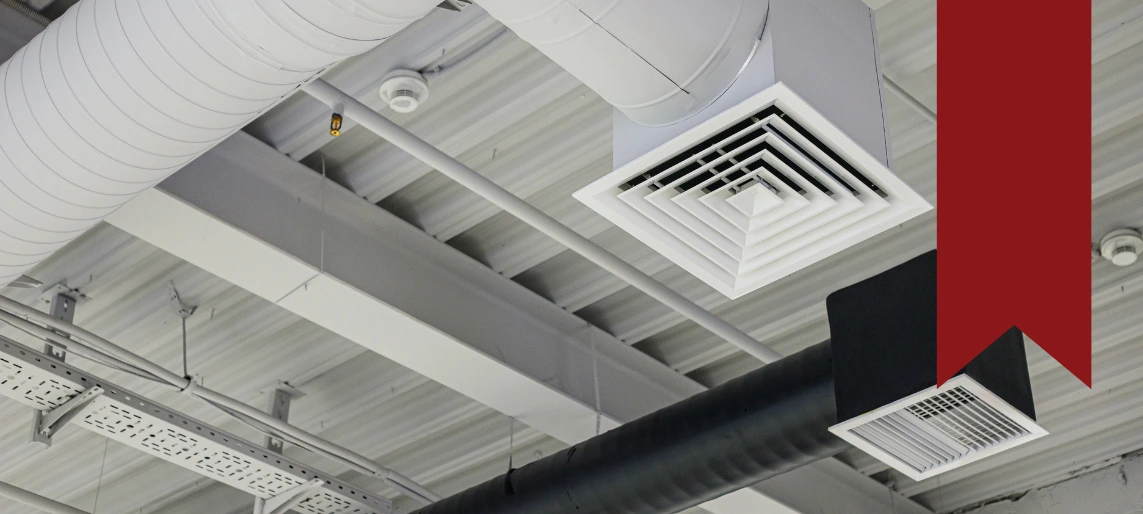
4. Poor Ventilation & Hood Planning
Ventilation is one of the biggest sources of surprise cost—and one of the easiest ways to upset both inspectors and landlords.
Common mistakes:
- Assuming “no grease” means “no hood” is needed.
- Not coordinating hoods with International Mechanical Code (IMC) and NFPA 96 requirements.
- Ignoring make-up air, which can create comfort and pressure problems in the kitchen.
What to do instead:
- Have a clear list of cooking processes (baking, boiling, frying, sugar cooking) and match them to the right hood type.
- Work with professionals to properly size hoods, ductwork, and make-up air early in design.
- Remember: some “light-duty” processes still trigger hood requirements depending on jurisdiction.
5. Inefficient Workflow Design
If your room looks like a pinball machine, you’ll pay for it in labor, errors, and contamination risk.
Symptoms of a bad layout:
- Staff constantly crossing paths with hot pans, carts, and product.
- Raw materials moving backward past finished product.
- No clear “clean to dirty” flow from receiving to shipping.
What to do instead:
- Design around workflow zones: receiving, storage, infusion, cooking, depositing, cooling, finishing, packaging, sanitation.
- Use U-shaped or linear flow where product rarely backtracks.
- Map out people flow, product flow, and waste flow separately to identify conflicts.
6. Underestimating Sanitation Requirements
Cannabis kitchens sometimes copy home-baking habits instead of commercial food safety standards.
Common misses:
- Only 1 or 2 hand sinks for a large production area.
- No dedicated 3-compartment sink or high-temp dishmachine.
- Inadequate floor drains in wet zones, causing slip hazards and poor cleaning.
What to do instead:
- Plan a sanitation zone with 3-comp sink or dishmachine, drying racks, and chemical storage.
- Ensure hand sinks are strategically placed so staff don’t take a “field trip” to wash.
- Use floor drains and coved bases where heavy cleaning and washdown occur.
7. No Separation of High-Value THC Ingredients
Concentrates and infused intermediates are the heart of your business. Treating them like generic ingredients is a major risk.
Risks:
- Misuse or loss of high-potency ingredients.
- Potency errors because infused intermediates aren’t controlled or labeled correctly.
- Security and inventory discrepancies in seed-to-sale tracking.
What to do instead:
- Create a dedicated, secure storage area for THC-active ingredients and infused intermediates.
- Use clear, consistent labeling and color-coding for cannabis-active materials.
- Document who can access, who can weigh, and who can sign off for each use.
8. Poor Documentation for Inspectors & Auditors
You can have a beautiful facility and still fail an inspection if you can’t demonstrate control.
Documentation gaps we see:
- No written SOPs for cleaning, batching, cooling, or packaging.
- No visible equipment list tied to the layout and utilities.
- HACCP plans that don’t match actual workflow or equipment on the floor.
What to do instead:
- Maintain a simple, current equipment index with make, model, and location.
- Align your HACCP, GMP, and seed-to-sale records with real process steps and equipment.
- Prepare a “facility book” or digital binder with layouts, equipment specs, SOPs, and logs ready to show inspectors.
Real-World Case Examples
Case Example 1: Overheated Chocolate Room
A producer set up chocolate production in a corner of a multipurpose room with no temperature or humidity control. Chocolate bloomed, texture suffered, and batches failed visual standards.
Fix: They built a small, dedicated chocolate room with temperature control and low humidity, plus separate storage for molds and finished product. Yield and appearance improved immediately.
Case Example 2: Failed Gummy Consistency
A startup tried to produce gummies using only home-style mixers and a standard walk-in cooler. Potency varied, texture was inconsistent, and pieces stuck together in the bag.
Fix: They added a high-shear mixer, a blast chiller, and better humidity control in the cooling area. Dosing became more consistent, and shelf life improved.
Case Example 3: Hood Not Sized Correctly
An operator installed a small hood over a kettle and range, assuming it would cover “light-duty” sugar cooking. During inspection, the hood was flagged for insufficient capture and clearance, and the landlord was pulled into a dispute over who would pay for rework.
Fix: The hood was re-engineered to match the BTU load and IMC/NFPA 96 guidelines, with proper ductwork and make-up air. If this had been planned up front, the cost and downtime would have been much lower.
Case Example 4: Walk-in Freezer Frosting Issues
A facility mounted racks and product right up against the evaporator in the walk-in freezer. Airflow was blocked, ice built up rapidly, and product temperatures fluctuated.
Fix: They reconfigured shelving to maintain clear airflow paths, instituted a defrost and inspection schedule, and added temperature monitoring. Complaints about texture and thaw/refreeze issues dropped sharply.
Aldevra helps cannabis operators select the right equipment, design compliant layouts, and plan utilities, ventilation, and workflow before you sign a lease or start construction.