Gummies Guide
Every cannabis edible has its own technical challenges. Gummies aren’t made like chocolates; chocolates aren’t made like baked goods; beverages require their own set of pasteurization, filling, and shelf-life controls. Below are Aldevra’s detailed guides for the five most common product categories.
Use these guides to plan layouts, select equipment, prevent batch failures, and design a kitchen built for your product line.
Essential Equipment
- Steam-jacketed kettle (5–100 gallons depending on scale)
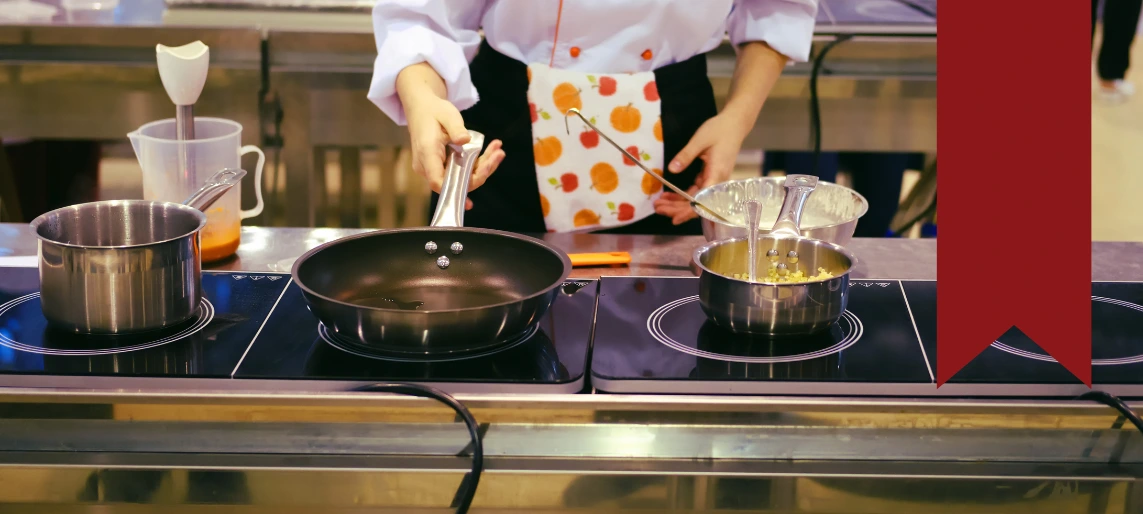
- Induction burners or electric ranges (for small batch)
- High-shear mixer or emulsifier
- Candy thermometers / digital data loggers
- Depositor (manual, semi-auto, or multi-head)
- Silicone or polycarbonate molds
- Blast chiller or controlled cooling room
- Dehumidifier (critical)
- Stainless steel tables & racks
- Commercial dishwasher or 3-compartment sink
Ideal Workflow
- Weigh & stage ingredients
- Heat syrup mixture in kettle
- Add infused oil, homogenize
- Cook to target temperature
- Deposit into molds
- Cool rapidly (blast chill preferred)
- Demold / cut slab gummies
- Dust with citric/malic acid if required
- Package & label
- Hold for COA
Critical Control Points
- Temperature: Undercooking = sticky gummies; overcooking = cloudy, tough texture
- Humidity: The #1 cause of gummy failures (target RH < 45%)
- Mixing: Cannabinoid homogenization requires consistent shear
Best Practices
- Store empty molds in a dry, temperature-stable environment
- Use color coding for allergen vs non-allergen molds and tools
- Keep a clean demolding workflow to prevent oil transfer
- Use an inline filter for syrup going into depositors
Common Mistakes
- No blast chiller → sticky, weeping, or crystallized gummies
- Cooling in walk-ins with no RH control
- Inconsistent potency due to improper mixing
Chocolate Guide
Tempering Equipment, Climate Control, and Melters
Essential Equipment
- Chocolate melter or tempering machine (continuous or batch)
- Stainless tables & cooling racks
- Chocolate-specific molds
- Dehumidifier (humidity above 50% ruins chocolate)
- Temperature-controlled chocolate room (64–70°F)
- Scrapers, spatulas, ladles
- Induction or hot plate for melting (if small batch)
- Blast chiller (optional but helpful)
Ideal Workflow
- Melt chocolate to ~113°F
- Cool to tempering point (84–88°F)
- Reheat gently
- Add cannabis-infused cocoa butter
- Mold, tap out air bubbles
- Cool in temperature-stable room
- Demold
- Trim, decorate (optional)
- Package
Critical Control Points
- Temperature curve: Slight deviations cause fat bloom
- Room humidity: Must be < 50%
- Infusion method: Prefer infused cocoa butter or homogenized oil
Best Practices
- Dedicate a separate chocolate room
- Keep molds warm, not hot to avoid streaks
- Store finished product at consistent temp for best sheen
Common Mistakes
- Working in a hot kitchen → chocolate never sets correctly
- Using cheap molds → poor release, lost product
- Adding infused oil too early → separation
Baked Edibles Guide
Convection Ovens, Proofers, Mixers & Batch Consistency
Essential Equipment
- Commercial convection or combi oven
- Floor mixer (20–60 qt depending on volume)
- Induction burners (for infused bases)
- Sheet pans, racks, cooling racks
- Depositor for uniform portioning
- Blast chiller (for fillings or rapid cooling)
- Stainless worktables
- Packaging sealer or flow-wrapper
Ideal Workflow
- Prep infused butter/oil
- Mix batter or dough
- Deposit into molds/trays
- Bake in convection oven
- Cool uniformly
- Cut (if slab brownies/cookies)
- Package
- Test/hold for COA
Critical Control Points
- Potency distribution: Must homogenize oil thoroughly
- Bake time/temp: Avoid volatile loss of cannabinoids
- Cooling: Prevent condensation which can create microbial risks
Best Practices
- Use infused butter or oil for accuracy
- Keep an ingredient staging rack to prevent errors
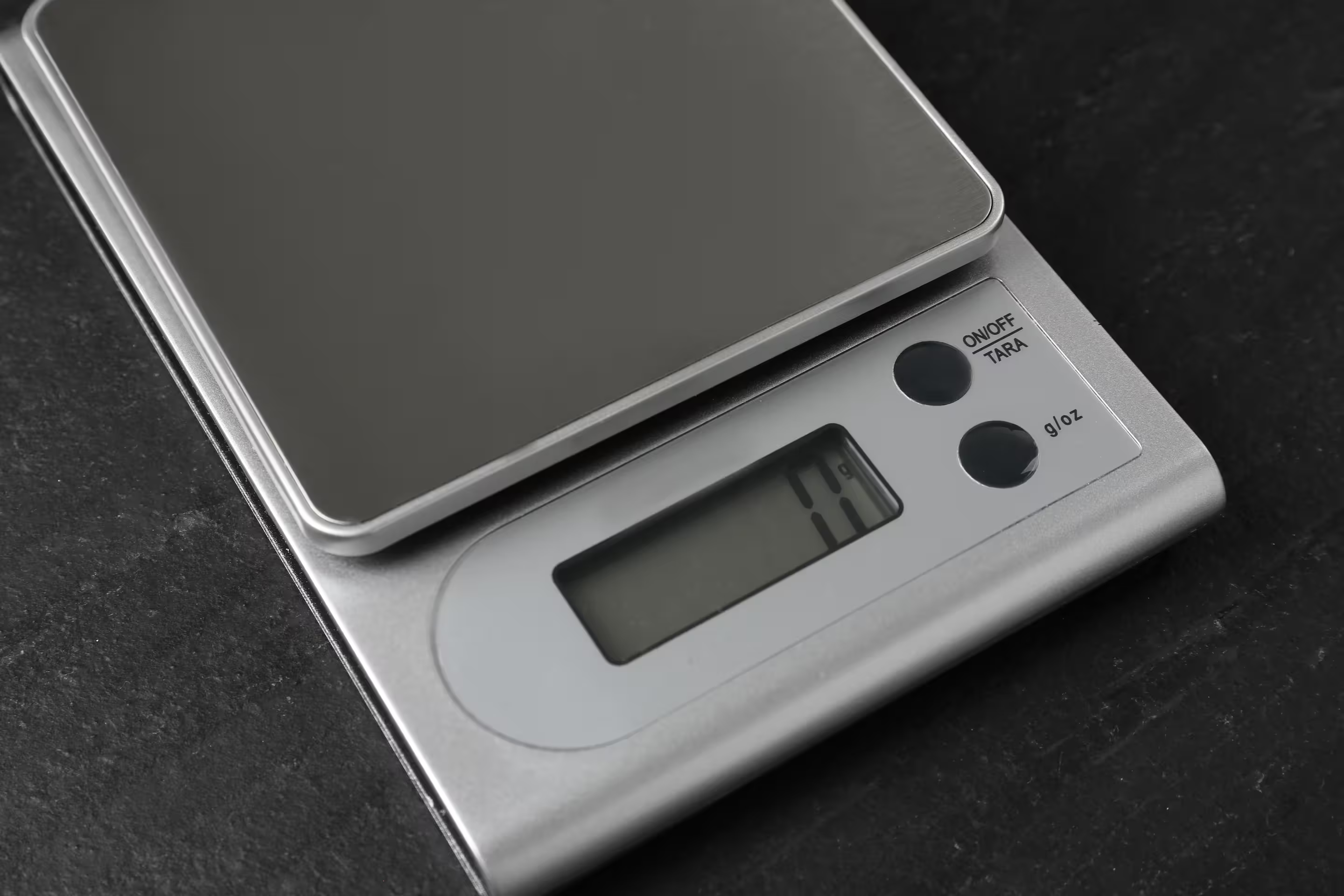
- Use digital scales for every portion
Common Mistakes
- Overbaking infused products → potency drops
- Using residential ovens → inconsistent temp and airflow
- Not batch-coding trays → traceability failure
Beverages Guide
Pasteurization, Bottling, Chilling & Ingredient Stability
Essential Equipment
- Pasteurizer (batch pasteurizer or tunnel pasteurizer)
- Beverage mixer or homogenizer
- Hot-fill or cold-fill bottling line
- Induction sealer
- Shrink bander (tamper-evident)
- Blast chiller or glycol chiller
- Stainless tanks or beverage kettles
- Water filtration system
Ideal Workflow
- Mix base beverage
- Homogenize infused component
- Heat/pasteurize (if required)
- Bottle in sanitized containers
- Seal and apply tamper-proof band
- Cool rapidly
- Label & batch code
- Hold for COA
Critical Control Points
- Stability of emulsions (CBD/THC separates easily)
- Pasteurization temperature compliance
- pH levels for shelf-stability
- Clean-in-place (CIP) required for tanks and pipes
Best Practices
- Use nanoemulsified cannabinoids for better stability
- Conduct shelf-life testing
- Track every bottle with a date code + batch number
Common Mistakes
- Skipping pasteurization on shelf-stable beverages
- Not controlling oxygen exposure → flavor degradation
- Bottling too hot → warped containers
Capsules & Tinctures Guide
Precision Dosing Pumps, Decarb Ovens, and Accurate Potency
Essential Equipment
- Decarb oven for activating cannabinoids
- Precision filling pumps
- Glass or HDPE tincture bottles
- Capsule filling machine (manual or automatic)
- Magnetic stirrers or homogenizers
- Volumetric pipettes or dispensers
- Temperature-controlled storage
- Labeler & induction sealer
Ideal Workflow
- Decarb flower or heat isolate
- Prepare MCT/coconut oil infusion
- Homogenize tincture solution
- Fill bottles or capsules
- Seal and label
- Batch code
- Send to lab
- Store in cool, dark area
Critical Control Points
- Potency consistency per mL
- Capsule fill weight
- Carrier oil clarity & stability
Best Practices
- Use precision dosing pumps for consistency
- Avoid overfilling—affects testing and consumer trust
- Track fill accuracy with hourly QA checks
Common Mistakes
- Using non–food-safe pumps
- Inconsistent mixing → potency drift
- Not storing tinctures in dark, cool conditions