Summary
What Determines Whether Your Ice Machine Is a 3-Year Headache or a 15-Year Asset
The purchase price of an ice machine is only a fraction of its true cost.
What executives, facilities leaders, and finance teams care about is:
- How long the machine actually lasts
- How often it goes down
- How much it costs to maintain
- How frequently it triggers emergency service
- How often it fails inspections
- Whether warranties remain intact
Maintenance discipline—not brand alone—drives total cost of ownership.
A properly maintained ice machine commonly delivers 10–15+ years of service life.
A neglected machine can suffer major failures in 18–36 months.
Daily, Weekly & Monthly Cleaning
The First Line of Defense Against Biofilm, Scale & Inspection Failures
Ice machines operate in a perfect environment for contamination:
cold surfaces + standing water + organic debris.
That means sanitation is not optional—it is structural risk control.
Daily Cleaning (Operator-Level)
Performed by front-line staff:
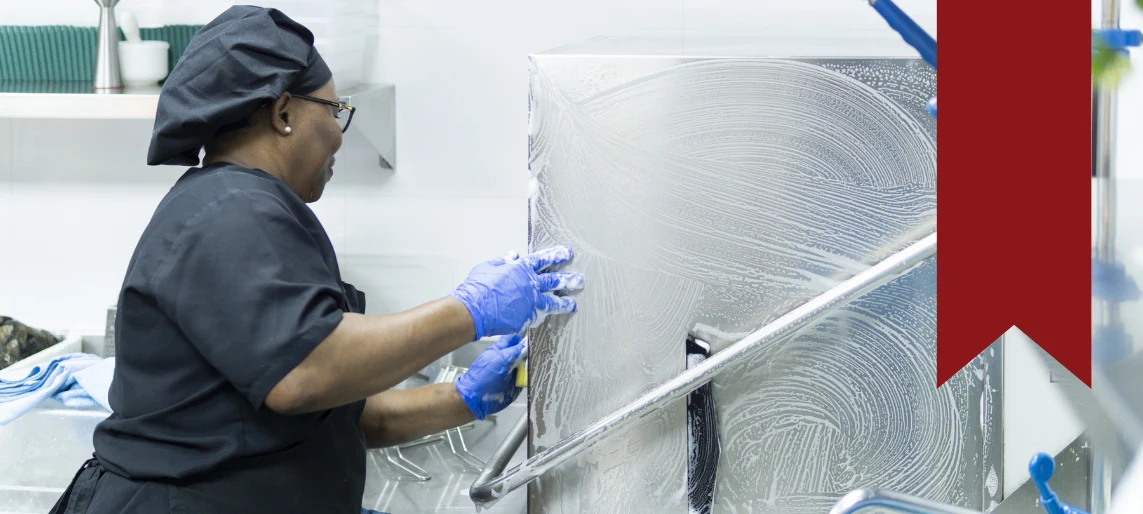
- Wipe exterior touch surfaces
- Clean dispensing chute and splash areas
- Empty and wipe drip trays
- Inspect for visible residue or leaks
Prevents:
Cross-contamination, visible mold, odor complaints, and staff avoidance.
Weekly Cleaning (Environmental Services or Facilities)
- Wash bin interior contact surfaces
- Inspect internal corners for residue
- Verify drain flow
- Check scoop storage practices
- Inspect air intake screens for dust and debris
Prevents:
Early biofilm buildup, drain backups, airflow restriction.
Monthly Deep Sanitation (Facilities or Service Provider)
- Full bin and evaporator sanitation
- Descaling as required by water hardness
- Chute disassembly and cleaning
- Filter inspection
- Drain line flushing
Prevents:
Scale damage, odor embedding, inspection failures, evaporator coating degradation.
Preventive Maintenance (PM) Programs
Why Reactive Service Always Costs More
Preventive Maintenance (PM) programs shift you from:
- “It broke—fix it”
to - “It’s protected—verify it”
A true PM program includes:
- Scheduled descaling based on water hardness
- Filtration cartridge replacement
- Pressure verification
- Control inspection
- Sensor verification
- Refrigerant system performance checks
Facilities with active PM contracts consistently see:
- Fewer emergency calls
- Longer component life
- Fewer inspection issues
- Lower lifetime repair spend
- Stronger warranty protection
Common Failure Points (What Actually Breaks First)
These are the highest-cost, highest-frequency failures when maintenance is neglected:
Evaporator Plate Wear
The Most Expensive Water-Related Failure
What causes it:
- Scale accumulation
- Aggressive chemical deliming
- Poor water filtration
- Missed sanitation cycles
What happens:
- Ice production drops
- Freeze cycles become unbalanced
- Compressor load increases
- Ice quality degrades
Typical repair exposure:
$7,000–$12,000
(Warranty frequently denied due to scale attribution)
Compressor Failure
The Financial End-of-Life Event
What causes it:
- Overheating from poor ventilation
- Scale insulating heat transfer surfaces
- Constant extended run cycles
- Electrical mismatch or voltage instability
What happens:
- Total shutdown
- Loss of all ice production
- Emergency replacement scenarios
Typical repair exposure:
$8,000–$15,000+
(Often justifies full system replacement)
Bin Sanitation Failures
The Inspection & Infection Risk Trigger
What causes it:
- Missed cleaning schedules
- Standing meltwater
- Inaccessible internal surfaces
- Improper drain configuration
What happens:
- Biofilm
- Mold growth
- Failed inspections
- Immediate shutdown orders in healthcare
Typical financial exposure:
- Emergency sanitation
- Reinspection delays
- Lost operational capacity
How Maintenance Directly Affects Total Cost of Ownership
The cheapest machine on day one is often the most expensive by year three.
The Aldevra Maintenance Approach
- Filtration matched to water hardness
- Documented cleaning schedules
- Preventive maintenance coordination
- Warranty protection support
- Healthcare infection control alignment
- Inspection-readiness verification
This transforms ice machines from:
“maintenance headaches” → “managed infrastructure assets.”
Download the Ice Machine Maintenance Checklist