Summary
Storing cannabis gummies is not as simple as tossing them in a cooler or a plastic bin. Gummies are sensitive to humidity, temperature, airflow, and container materials, and the wrong storage method can ruin texture, reduce quality, and cause batches to fail compliance testing.
Whether you’re a startup producer or expanding your cannabis kitchen operations, proper gummy storage is essential for maintaining potency, consistency, and safety. Aldevra helps cannabis operators design storage systems that meet foodservice-grade standards, withstand regulatory inspections, and support high-volume edible production.
1. Control Temperature & Humidity
The biggest threat to gummy stability? Humidity.
High humidity causes:
- Stickiness
- Sweating
- Mold growth
- Texture breakdown
- COA failures
Ideal Storage Conditions
- Temperature: 55–70°F
- Relative Humidity (RH): 35–50%
- Environment: Dark, clean, food-safe, no direct sunlight
Most cannabis kitchens overlook humidity—resulting in sticky gummies that clump together or mold before their sell-by date.
Aldevra Tip: Pair your storage room with commercial dehumidifiers or low-humidity walk-ins.
2. Choose the Right Packaging
Your packaging determines oxygen exposure, moisture levels, and shelf life.
Short-Term Storage (24–72 hours)
- Polycarbonate food pans with airtight lids
- Tamper-evident tubs
- Stackable ingredient bins
Retail-Ready Storage
- Mylar bags (4–5 mil recommended)
- PET jars with screw-on lids
- Child-resistant containers
- Induction-sealed bottles
Avoid
- Paper
- Cardboard
- Thin plastic bags
These materials absorb moisture and increase contamination risk.
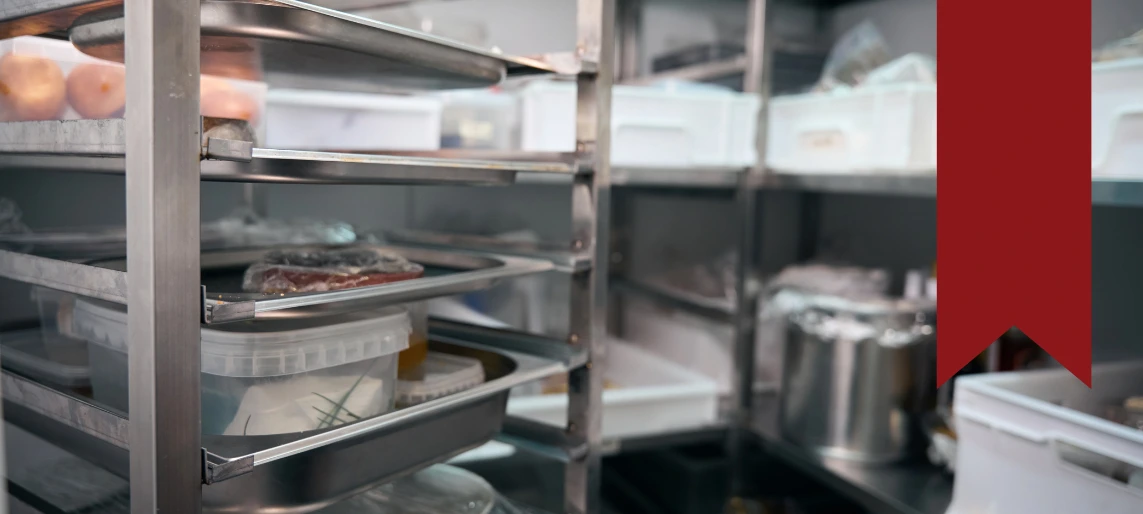
3. Use Foodservice-Grade Storage Racks
NSF-certified shelving improves airflow and reduces moisture pockets.
Best Options
- Wire chromed shelving
- Epoxy-coated racks (for high humidity areas)
- Stainless steel shelving for ingredient rooms
- Tray racks for curing and staging
Place racks at least 6 inches off the floor, with adequate clearance from walls and HVAC ducts.
Aldevra Tip: Set up shelving to follow FIFO/FEFO (First In, First Out / First Expired, First Out) for compliance.
4. Don’t Use Your Walk-In Cooler (Unless Modified)
Standard walk-ins run too humid for gummies and can cause sweating or mold.
If you must use a walk-in, Aldevra can upgrade:
- Low-humidity coils
- Enhanced airflow systems
- Dehumidification
- Epoxy flooring
- Gasketed doors
Best Practice: Let gummies cure in a blast chiller first, then move to low-humidity storage.
5. Cool Gummies FAST Before Storage
Slow cooling increases stickiness and moisture crystallization.
Use a Blast Chiller
A blast chiller stabilizes gummies quickly using high-velocity cold air.
Benefits
- Quickly sets texture
- Prevents moisture migration
- Improves clarity
- Reduces contamination risks
- Ensures consistent demolding
Gummies that go straight from room temp to storage without rapid cooling often stick together or deform in containers.
6. Keep Storage Segregated & Secure
Every cannabis kitchen must maintain strict separation of:
- THC-active ingredients
- Finished edibles
- Non-infused ingredients
- Chemicals
- In-process batches
Use:
- Locking ingredient cabinets
- Dedicated finished-goods racks
- Sealed curing zones
- Alarmed storage rooms
Aldevra's commercial storage solutions help operators meet state cannabis-security regulations.
7. Recommended Storage Solutions (Aldevra-Approved)
Optimize space, protect quality, and maintain compliance.
Below are the most effective equipment and systems for maintaining gummy texture and extending shelf life.
NSF-Certified Shelving
Ideal for curing, staging, and short-term storage.
Benefits:
- Rust-resistant
- Adjustable
- Easy to sanitize
- Great airflow
- Inspector-approved
Food-Grade Storage Bins
Skip cardboard. Choose polycarbonate or food-safe plastic.
Benefits:
- Airtight
- Stackable
- Clear for visibility
- Easy to sanitize
Climate-Controlled Storage Rooms
Dedicated spaces with:
- Temperature 55–70°F
- RH 35–50%
- Sealed doors
- Integrated dehumidifiers
Best For: high-volume gummies, bulk storage, packaging rooms.
Commercial Dehumidifiers
Eliminates moisture-related failures.
Use in:
- Curing rooms
- Storage rooms
- Packaging areas
- Any humid cannabis kitchen zone
Blast Chillers
For quickly setting gummies.
Benefits: improved clarity, consistency, handling, and packaging readiness.
Rigid Airtight Containers
Protect against:
- Humidity
- UV exposure
- Odors
- Oxygen degradation
Great for finished goods pending QA release.
Mylar Bags
Best for long-term, potent, shelf-stable packaging.
Choose 4–5 mil for maximum moisture protection.
FIFO-Compatible Shelf Layouts
Supports compliance and prevents batch mix-ups.
Aldevra designs layouts tailored to production volume and workflow.
Stainless Steel Ingredient Cabinets
Perfect for acids, flavors, pectin, gelatin, stabilizers, and packaging supplies.
Low-Humidity Walk-In Storage (Upgraded)
Aldevra custom-builds walk-in storage rooms designed specifically for gummy stability.
8. Maintain Documentation & Labels
Every batch must have:
- Lot number
- Ingredients
- Production date
- Packaging date
- Potency info
- Storage instructions
- QA hold or release status
Store documents digitally and physically to keep inspectors satisfied.
9. FAQs: Storing Cannabis Gummies Correctly
How long can gummies be stored?
Properly stored gummies last 6–12 months, depending on ingredients and packaging.
Do gummies require refrigeration?
No — refrigeration is usually too humid. Use cool, low-humidity storage only.
Why are my gummies sweating?
You likely have a humidity problem or didn’t blast chill them before storage.
What is the best container for gummies?
Mylar bags or PET jars with airtight, food-safe seals.
What temperature should gummies be stored at?
Between 55–70°F, with 35–50% RH.
Final Thoughts: Aldevra Can Design Your Complete Gummy Storage System
Storing gummies correctly isn’t optional — it’s the foundation of consistent quality, passing inspections, and avoiding costly product loss. Aldevra helps cannabis kitchens design NSF-compliant storage rooms, climate-controlled solutions, and foodservice-grade systems that meet the demands of modern edible production.
Ready to upgrade your gummy storage?
Contact Aldevra for professional cannabis kitchen design, equipment, and storage solutions:
https://www.aldevra.com/contact-us