Summary
Launching or scaling an edibles facility is exciting — but it’s also highly regulated, technically complex, and full of hidden pitfalls that can cost operators time, money, and entire batches. Whether you’re producing gummies, chocolates, beverages, baked goods, or tinctures, your cannabis kitchen must meet the same standards as a food manufacturing facility.
That’s why partnering with an experienced commercial kitchen equipment dealer like Aldevra isn’t optional — it’s essential.
Here’s why cannabis operators who want to get compliant, stay efficient, and avoid costly mistakes rely on Aldevra when building or upgrading their edible production facilities.
1. Edibles Require NSF-Certified Foodservice Equipment — Not Residential Tools
One of the biggest misunderstandings in the cannabis industry is thinking you can use residential or light-duty consumer equipment.
You can’t — and your inspector won’t let it slide.
Residential equipment fails because it:
- Is not NSF-certified
- Can’t be sanitized to food code standards
- Isn’t made for high-volume production
- Breaks under day-to-day batch loads
- Often violates local or state health codes
Aldevra ensures every piece of equipment in your cannabis kitchen meets NSF, FDA Food Code, GMP, and state cannabis regulations, so you pass inspection the first time.
2. Correct Ventilation, Electrical, and HVAC Planning Prevents Shutdowns
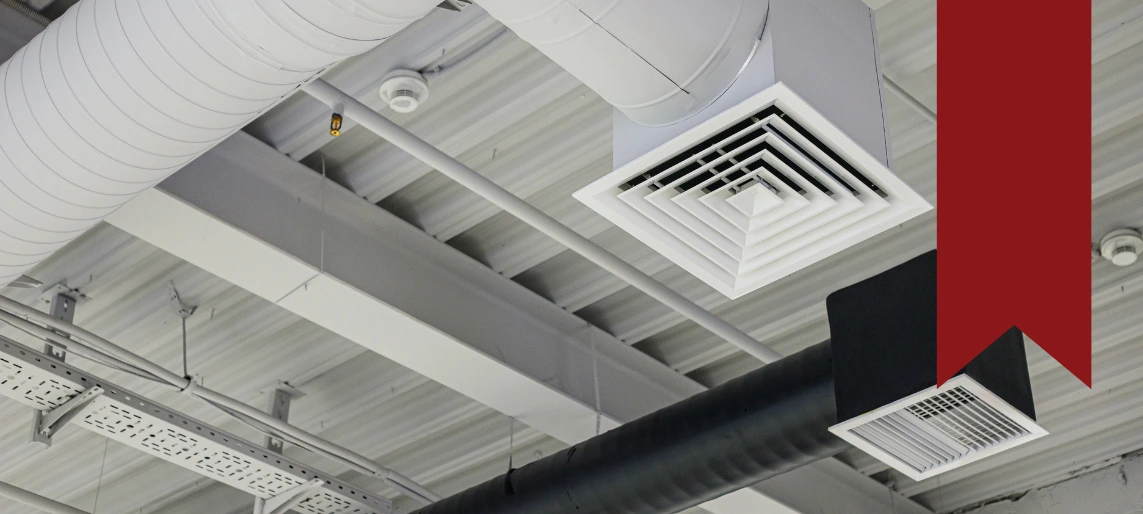
Edibles production involves heat, steam, odors, moisture, and high electrical demand. Most operators underestimate how complex this is until it’s too late.
Aldevra helps prevent:
- Buying equipment that requires ventilation when the facility has none
- Mis-sizing hoods (a $10K–$50K mistake)
- Installing equipment the electrical system can’t support
- Humidity issues that ruin gummies or chocolate
- Poor airflow that traps odors and heat
We coordinate with your AHJ, building inspectors, mechanical engineers, and state cannabis regulators to ensure compliance with:
- International Building Code (IBC)
- International Mechanical Code (IMC)
- International Fire Code (IFC)
- ASHRAE 62.1
- NFPA 70, 1, 30, 96
- State cannabis processing rules
Aldevra makes sure the facility is safe and compliant before you even turn equipment on.
3. Edibles Manufacturing Needs Specialized Equipment Setup
Whether you’re making gummies, beverages, chocolates, baked goods, or tinctures, each product requires different equipment, temperatures, and workflow.
Aldevra helps you select and size the right equipment, including:
- High-shear mixers for potency uniformity
- Planetary mixers
- Infusion systems
- Decarb ovens
- Steam-jacketed kettles
- Chocolate melters
- Blast chillers
- Climate-controlled storage
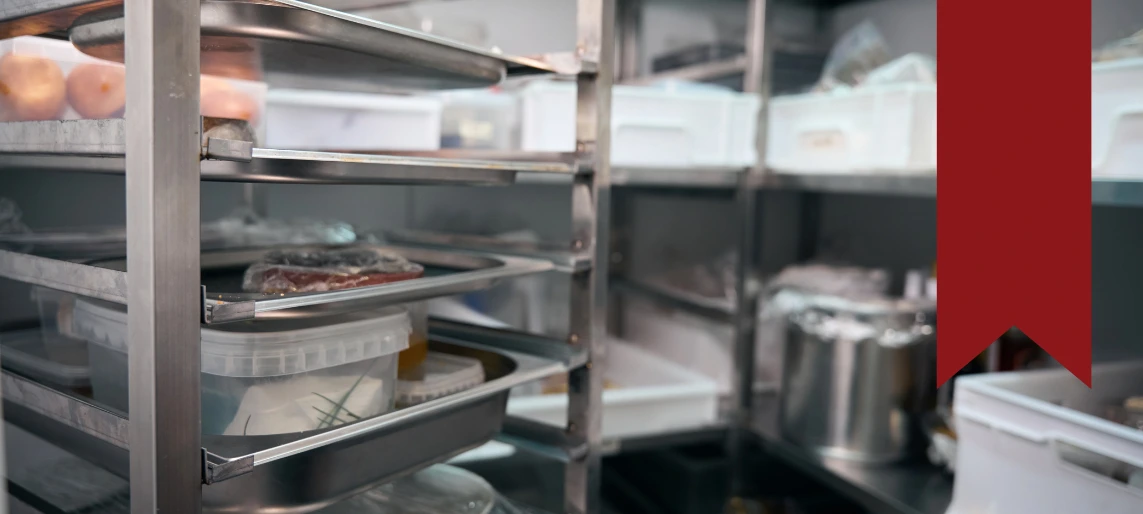
- NSF shelving
- Low-humidity walk-ins
Most mistakes happen because operators buy the wrong size or wrong style of equipment. Aldevra ensures you get what you actually need for your batch size and product type.
4. Workflow Design Affects Potency, Safety, and Production Speed
A poorly designed cannabis kitchen slows you down, creates contamination risks, and causes consistency issues.
Aldevra designs workflows that:
- Maintain a clean → dirty flow
- Separate THC-active and non-active areas
- Keep equipment accessible
- Improve batch uniformity
- Reduce staff cross-traffic
- Simplify sanitation
- Work with your chosen equipment
We help create layouts for:
- Gummy kitchens
- Chocolate rooms
- Beverage lines
- Baked edibles production
- Multi-product processing floors
Your efficiency depends on your layout — Aldevra gets it right.
5. Compliance Is Easier With a Professional Dealer
Health departments and cannabis regulators expect documentation for:
- NSF equipment
- Electrical and mechanical specs
- Food-grade materials
- Cleaning procedures
- Ventilation performance
- Workflow separation
- Storage controls
Aldevra provides what inspectors want to see, including:
- Spec sheets
- Certifications
- Compliance documentation
- Equipment manuals
- Installation verifications
This significantly reduces back-and-forth with your regulator.
6. Avoiding Costly Mistakes Saves Tens of Thousands
Most cannabis kitchen failures happen before production even begins.
Top mistakes we see:
- Wrong-size hood
- Inadequate electrical capacity
- No blast chiller → sticky, failed gummies
- Humid chocolate rooms
- Poor shelving layout
- Cheap, non-NSF equipment
- Using the wrong mixer for dosing uniformity
Aldevra prevents these problems before they become expensive.
7. You Get a Partner Who Understands Cannabis + Foodservice
Many cannabis consultants don’t understand commercial food equipment.
Many foodservice designers don’t understand cannabis regulations.
Aldevra understands both, which is why we help operators build safe, compliant, durable cannabis kitchens that withstand audits and scale production.
8. A Commercial Kitchen Dealer Helps You Scale
Your equipment choices now affect your future capacity.
Aldevra helps operators plan for:
- Increased batch size
- Additional production lines
- More packaging equipment
- Larger mixers or kettles
- Expanded cooling or storage needs
- SKU or product-line expansion
You won’t outgrow your kitchen within a year — a common mistake among fast-growing brands.
Final Thoughts: Aldevra Is Your Cannabis Kitchen Partner From Day One
Building a cannabis kitchen isn’t like setting up a bakery or a restaurant. It’s a regulated manufacturing environment where food safety, cannabis compliance, equipment durability, and workflow design must align perfectly.
Choosing the right commercial kitchen equipment dealer ensures:
- You pass inspection
- Your equipment lasts
- Your edibles are consistent
- Your workflow is efficient
- Your facility is safe
- You can expand without starting over
Aldevra has helped cannabis operators across the country design high-performance kitchens for gummies, chocolates, beverages, tinctures, capsules, and baked edibles — and we’d love to help you too.
Ready to build or scale your cannabis kitchen?
https://www.aldevra.com/contact-us