Summary
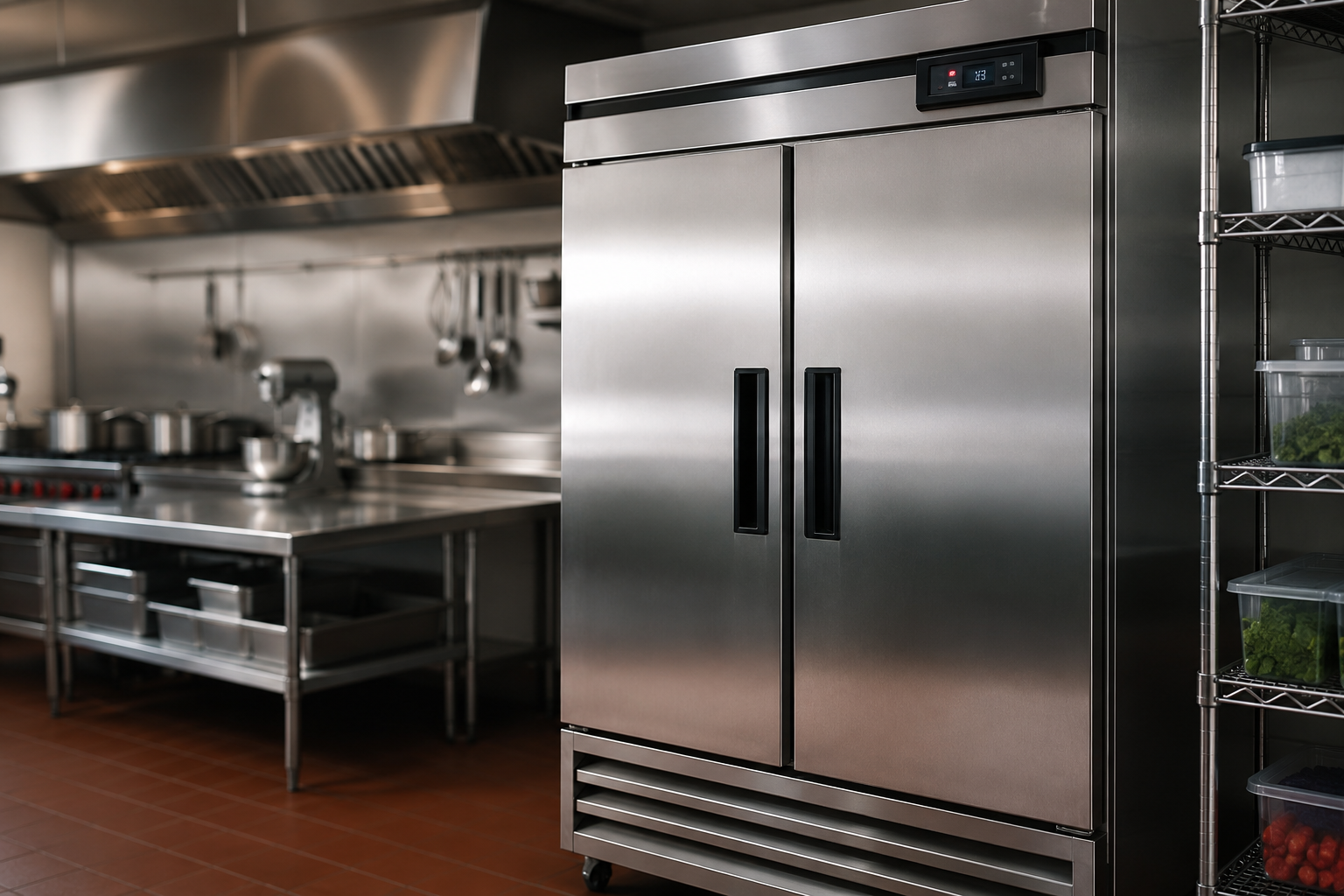
Few things get a kitchen manager’s attention faster than hearing a commercial refrigerator alarm. Whether you operate a hospital kitchen, school cafeteria, restaurant, military dining facility, or correctional institution, refrigeration equipment is critical to maintaining food safety and daily operations.
Fortunately, a high temperature alarm does not automatically mean your refrigerator has failed. In many cases, the issue is temporary and can be resolved before it becomes an expensive repair.
Understanding what causes these alarms—and knowing what to check first—can save time, protect valuable inventory, and reduce equipment downtime.
What Does a High Temperature Alarm Mean?
Commercial refrigerators continuously monitor the cabinet temperature. When the internal temperature rises above a programmed limit for a specified period, the controller activates a high temperature alarm.
The alarm’s purpose is simple:
- Alert operators to a potential food safety issue
- Prevent unnoticed refrigeration failures
- Encourage immediate inspection before products become unsafe
While every manufacturer programs alarms differently, most commercial refrigerators should maintain temperatures between 36°F and 40°F, while freezers should generally remain at 0°F or below, depending on the application.
10 Common Causes of a Commercial Refrigerator High Temperature Alarm
1. The Door Was Left Open
This is the most common cause.
During busy meal periods, employees may accidentally leave a door partially open or fail to close it completely after loading products.
Look for:
- Door not fully latched
- Product preventing closure
- Damaged door closer
2. Warm Product Was Recently Loaded
Adding a large quantity of warm food requires the refrigeration system to remove significant heat.
Temporary temperature increases are normal after:
- Receiving deliveries
- Cooling prepared foods
- Restocking during service
Allow the refrigerator adequate time to recover before assuming there’s a problem.
3. Dirty Condenser Coils
Condenser coils remove heat from the refrigeration system. When coated with grease, dust, or lint, efficiency drops dramatically.
Dirty coils can lead to:
- Longer compressor run times
- Higher energy bills
- Reduced cooling capacity
- Frequent temperature alarms
- Premature compressor failure
Routine condenser cleaning is one of the easiest ways to extend equipment life.
4. Airflow Is Blocked
Commercial refrigerators rely on unrestricted airflow.
Common issues include:
- Boxes stacked against evaporator vents
- Overstocked shelves
- Products blocking return air openings
Even a properly functioning refrigerator may struggle to maintain temperature if air cannot circulate throughout the cabinet.
5. High Kitchen Temperatures
Summer heat, inadequate ventilation, or HVAC failures can significantly affect refrigeration performance.
If your kitchen regularly exceeds recommended ambient temperatures, refrigeration systems must work harder to remove heat.
During extreme weather events or periods of poor outdoor air quality, HVAC systems may operate differently, further increasing the cooling load on commercial refrigeration equipment.
6. Worn Door Gaskets
Damaged or loose door gaskets allow warm, humid air to enter the cabinet.
Signs include:
- Torn gasket material
- Gaps around the door
- Condensation near the frame
- Frost buildup inside the cabinet
Replacing inexpensive door gaskets can prevent much larger repair costs later.
7. Frequent Door Openings
High-volume kitchens often experience constant traffic around refrigeration equipment.
Repeated door openings allow warm air inside faster than the refrigeration system can remove it, causing temporary alarms during peak meal service.
8. Power Interruptions
Even a brief power outage can trigger a high temperature alarm.
After power is restored:
- Verify the refrigerator restarted correctly.
- Confirm the compressor is running.
- Monitor cabinet temperature until normal operation resumes.
9. Mechanical Problems
Sometimes the alarm indicates a genuine equipment issue.
Possible causes include:
- Refrigerant leak
- Failing compressor
- Defective evaporator fan motor
- Faulty condenser fan
- Malfunctioning expansion valve
- Sensor or controller failure
These issues typically require qualified refrigeration service.
10. Controller or Sensor Issues
Occasionally, the refrigeration system is cooling properly, but the controller is receiving incorrect information from a faulty temperature sensor.
Symptoms may include:
- Temperature display that doesn’t match an independent thermometer
- Alarm returns immediately after resetting
- Intermittent warning messages
What Should You Check First?
Before requesting service, perform these simple checks:
✅ Verify the door is fully closed.
✅ Check that power has not been interrupted.
✅ Inspect condenser coils for dirt or grease buildup.
✅ Make sure air vents inside the cabinet are not blocked.
✅ Listen for compressor and fan operation.
✅ Confirm products are not still warm from recent loading.
✅ Compare the displayed temperature with a calibrated thermometer.
If the refrigerator returns to normal temperature within a reasonable period, the alarm may have resulted from temporary operating conditions rather than equipment failure.
Food Safety Comes First
If cabinet temperatures remain above safe limits for an extended period, evaluate all stored food products according to your organization’s food safety procedures.
Never rely solely on the controller display. Use a calibrated food thermometer to verify product temperatures and follow your facility’s HACCP plan or applicable regulatory guidance before deciding whether food can remain in service.
When Should You Call for Professional Service?
Contact a qualified commercial refrigeration technician if:
- The alarm repeatedly returns.
- The refrigerator cannot maintain safe temperatures.
- The compressor isn’t running.
- Ice accumulation becomes excessive.
- You hear unusual noises.
- The controller displays persistent error codes.
- Food temperatures continue rising despite troubleshooting.
Delaying service can increase repair costs and may lead to product loss or extended equipment downtime.
Preventive Maintenance Prevents Most Temperature Alarms
Many refrigeration issues develop gradually and can be identified during routine preventive maintenance.
A comprehensive maintenance program should include:
- Cleaning condenser coils
- Inspecting door gaskets
- Checking refrigerant pressures
- Verifying operating temperatures
- Cleaning evaporator coils
- Inspecting fan motors
- Confirming drain line operation
- Testing controller accuracy
Preventive maintenance not only reduces unexpected breakdowns but also improves energy efficiency and extends equipment life.
Final Thoughts
A commercial refrigerator high temperature alarm should never be ignored—but it also shouldn’t cause immediate panic.
Many alarms result from everyday operational issues such as open doors, blocked airflow, or dirty condenser coils. Performing a few simple inspections can often identify the problem before it becomes a costly repair.
When alarms continue or temperatures remain unsafe, prompt professional service helps protect your food inventory, minimize downtime, and keep your kitchen operating efficiently.
Frequently Asked Questions
Why is my commercial refrigerator beeping?
Most commercial refrigerators beep when the cabinet temperature exceeds a programmed limit, the door has been left open, or the controller detects a system fault.
Can I simply reset the high temperature alarm?
You can often silence or reset the alarm, but doing so does not correct the underlying issue. Always determine why the temperature increased before resetting the controller.
What temperature should a commercial refrigerator maintain?
Most commercial refrigerators should maintain temperatures between 36°F and 40°F. Always follow the equipment manufacturer’s recommendations and your facility’s food safety procedures.
Can dirty condenser coils cause a high temperature alarm?
Yes. Dirty condenser coils reduce heat transfer, making the refrigeration system work harder and increasing the likelihood of high temperature alarms.
Why does my refrigerator only alarm during the afternoon?
Higher kitchen temperatures, increased door openings during meal service, and heavier equipment use often occur later in the day, placing greater demand on refrigeration systems.
Is a high temperature alarm covered under warranty?
Not necessarily. The alarm is simply a warning. Whether repairs are covered depends on the underlying cause, the manufacturer’s warranty, and whether required maintenance has been performed.
Keep Your Commercial Refrigeration Running Reliably
Whether you’re outfitting a new commercial kitchen, replacing aging refrigeration equipment, or developing a preventive maintenance strategy, Aldevra helps healthcare facilities, schools, military installations, correctional facilities, restaurants, and government agencies select dependable commercial refrigeration solutions from leading manufacturers.
Need help evaluating replacement options or specifying refrigeration equipment for your facility? Contact Aldevra to discuss your project with our commercial kitchen equipment specialists.

.png)
.png)