Summary
Searching for an asador, Argentinian grill, or live-fire cooking equipment for your commercial kitchen? This guide explains what a commercial asador is, how it works, ventilation and hood requirements, fuel options, safety rules, and installation considerations. It also answers top questions, outlines why operators add asadors to their kitchens, and provides key questions to ask before installing one. Aldevra supplies, installs, and supports commercial asadors and heavy-duty cooking equipment for restaurants, hotels, food halls, and federal facilities.
What Is a Commercial Asador?
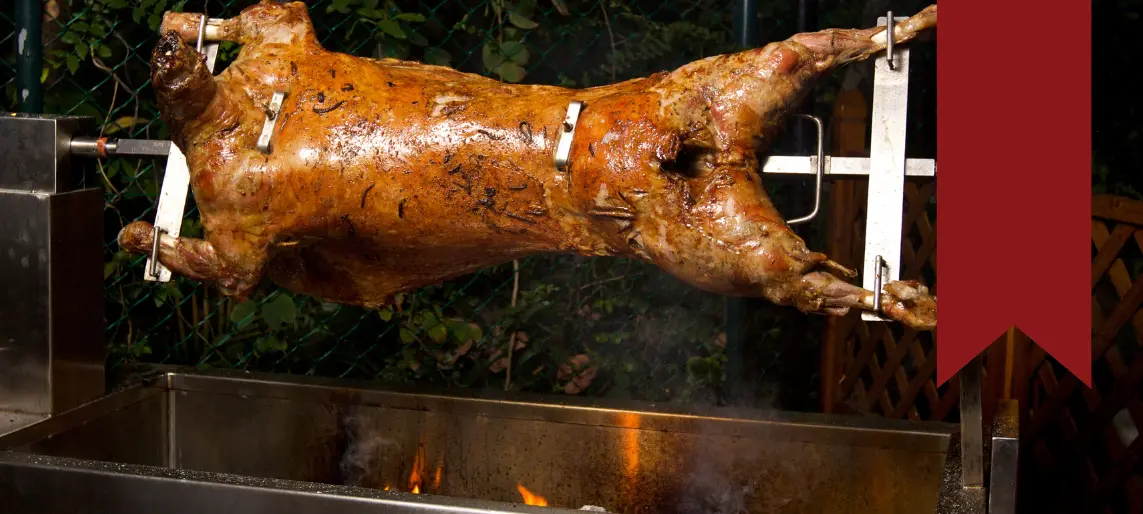
A commercial asador is a heavy-duty, open-fire cooking appliance designed for high-heat grilling using wood, charcoal, or live fire. It typically includes:
- Adjustable grate or V-grate
- High-temp firebox or brasero
- Drip trays or grease management
- Heavy steel construction
- Capability for 700–900°F+ cooking
- Options like rotisseries or hanging hooks
Asadors are heavily used in:
- Steakhouses
- Latin/Argentinian restaurants
- Live-fire restaurants
- Modern American kitchens
- Food halls and open-kitchen concepts
Why Operators Are Adding Asadors to Their Kitchens
Live-fire cooking has exploded in popularity because it delivers flavor, showmanship, and serious brand differentiation. Here’s why operators invest in an asador:
1. Unmatched Flavor & Heat Control
Wood and charcoal create:
- deeper char
- intense smoky flavor
- better crust development
- sustained high heat
These qualities make an asador ideal for steaks, whole-animal cooking, and menu items that require fire-driven flavor.
2. A Guest Experience That Sells
An asador becomes a showpiece in open kitchens. Operators use it to:
- showcase live-fire cooking
- create theatrical guest experiences
- increase social media visibility
- elevate perceived value
Restaurants often see higher check averages simply because the cooking becomes part of the entertainment.
3. Menu Expansion & Versatility
With one piece of equipment, operators can produce:
- whole roasted meats
- grilled steaks and chops
- charred vegetables
- skewers, asado-style ribs, and open-flame specials
- slow-roasted seasonal dishes
This creates a strong foundation for signature menu items.
4. Strong Branding & Marketing Power
Phrases like “wood-fired,” “live-fire,” and “open flame” instantly upgrade guest perception.
An asador becomes part of the restaurant’s identity.
5. Durability & Long Equipment Life
Commercial asadors feature heavy-gauge steel, reinforced fireboxes, and welded frames designed to withstand continuous service.
6. More Precision Than a Standard Grill
Adjustable grate height gives chefs full control over proximity to flame — a major advantage for consistency, heat zones, and plating timing.
Questions Operators Should Ask Before Adding an Asador
Before purchasing, operators should evaluate whether live-fire equipment aligns with their space, workflow, and safety requirements.
1. Do we have enough space under a Type I hood?
Asadors are large and require full hood coverage.
Check:
- linear hood footage
- hood depth
- make-up air capacity
If not, a hood extension or upgrade may be required.
2. Do we want wood, charcoal, gas, or hybrid?
Your fuel choice affects:
- flavor
- daily operations
- ash management
- fire safety
- local code requirements
Wood/charcoal = best flavor
Gas = easiest inspections
Hybrid = best of both
3. Can our fire suppression system support solid fuel?
You’ll need:
- UL 300 compliant suppression
- Spark arrestors
- Proper grease ducting
- Embers/ash management
A suppression specialist should confirm compatibility before purchase.
4. Will live-fire cooking strengthen our concept?
Ask:
- Are we building a fire-driven menu?
- Will guests see the equipment?
- Is this a signature feature or a side station?
ROI is highest when the asador becomes central to the brand.
5. Do we have staff trained in live-fire cooking?
Training should include:
- fire management
- ash removal
- wood/charcoal handling
- burn safety
- workflow safety
6. How will an asador impact service flow?
Asadors may change:
- prep station distance
- handoff timing
- cookline layout
- back-of-house traffic patterns
Many operators adjust layouts for improved heat safety and speed.
7. Do we want the asador to be a guest-facing showpiece?
This affects choices like:
- stainless or blackened steel finish
- custom façade
- lighting
- positioning under hood
Top Questions About Asadors (Answered)
1. What is an asador used for?
Commercial asadors are used for:
- live-fire cooking
- steaks and chops
- whole-animal roasting
- charred vegetables
- open-flame specials
- rotisserie-style asado
2. Do you need a hood for an asador?
Yes.
A Type I hood with fire suppression is required for:
- wood-fired asadors
- charcoal asadors
- hybrid models
Ventless systems cannot be used with solid-fuel units.
3. Can you install a commercial asador indoors?
Yes, but only with:
- Type I hood
- Fire suppression
- Spark arrestor
- Proper clearances
- Grease-rated ductwork
Outdoor installations still require code review.
4. What fuel does a commercial asador use?
Most use:
- hardwood
- lump charcoal
Some use: - gas burners
- hybrid ignition systems
5. What’s the difference between asador, parrilla, and grill?
- Asador = radiant heat + hanging/whole-animal options
- Parrilla = adjustable V-grate grill (Argentinian style)
- Grill = gas or electric, no live fire
6. How big should an asador be?
Most common widths:
- 36″
- 48″
- 60″
- 72″
Choose based on:
- menu
- volume
- hood availability
- chef preference
7. How do you clean a commercial asador?
Daily:
- remove ash
- scrape grates
- empty drip trays
Regular:
- burn-off cycles
- check firebox welds
- hood cleaning per NFPA 96
8. Are asadors NSF certified?
Some are.
Federal kitchens typically require NSF, ETL, or CSA sanitation listings.
9. Do you need fire suppression for an asador?
Yes. All solid-fuel equipment requires it.
This includes:
- dedicated nozzles
- heat sensors
- spark arrestors
- high-temperature ducting
Installation Requirements for Commercial Asadors
Installing an asador is more complex than a standard grill. Aldevra’s team guides operators through:
Ventilation
- Type I hood
- Grease-rated ducts
- Adequate CFM
- Fire-rated enclosures if required
Utilities
Depending on model:
- gas (¾"–1")
- electrical connections
- clearance for ash removal
- cooling zones around hot surfaces
Flooring & Placement
- non-combustible flooring
- weight-bearing surface
- fire-safe wall clearance
- straight-line workflow for safety
FAQs
Is an asador worth it for a commercial kitchen?
Yes — operators typically gain stronger guest experience, signature menu items, and increased sales.
Can I install a wood-fired asador without a hood?
No. Code requires a Type I hood for all solid-fuel cooking.
How hot does an asador get?
Most reach 700–900°F+, depending on fuel.
Do asadors need a grease trap?
They include grease management systems, but operators may need to review drainage requirements.
Why Choose Aldevra for Commercial Asador Equipment & Installation
Aldevra specializes in heavy commercial kitchen equipment for restaurants, hotels, government facilities, and food production spaces. Our team helps you:
- Select the right asador for your menu and workflow
- Verify ventilation and fire code requirements
- Coordinate utilities with installers
- Ensure compliance with hood systems and suppression
- Deliver safe, clean, code-ready installations
- Support you through maintenance and lifecycle planning
Whether you’re adding a showpiece to a steakhouse, creating a live-fire food hall concept, or equipping a federal dining facility, Aldevra ensures the job is done right.
.webp)