Summary
What’s overhead in a commercial kitchen—lighting, ceiling materials, ventilation, and utilities—can make or break health inspections, food safety, and operating costs. This guide covers food-grade lighting requirements, approved ceiling tiles, hood and fire suppression considerations, common overhead violations, and a practical inspection checklist.
Food-Grade Lighting: Safety Starts Overhead
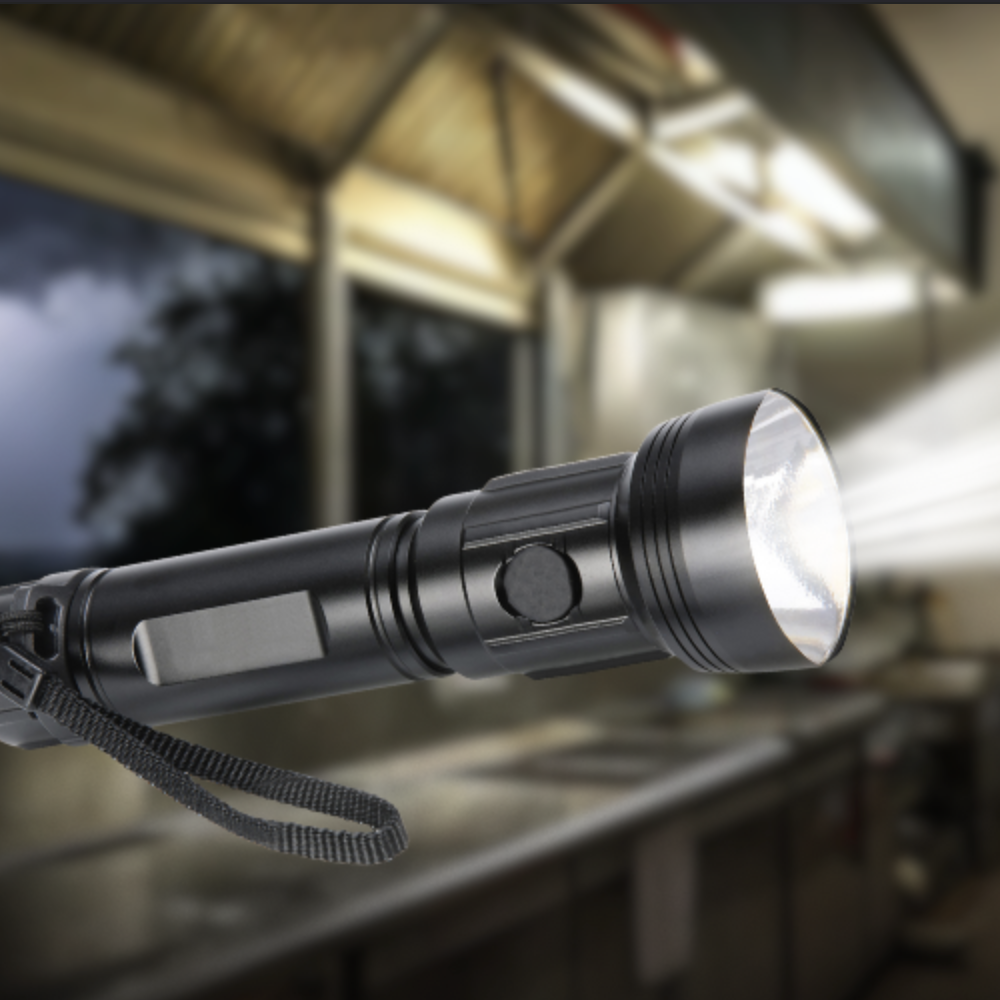
Lighting in a commercial kitchen must support safe food handling and prevent contamination.
What to be mindful of:
• Shatter-resistant or shatter-protected fixtures
Required in food prep, storage, and warewashing areas.
• Food-safe / NSF-listed fixtures
Especially over prep tables, cooklines, and clean dish zones.
• Proper brightness (foot-candles)
• Prep areas: ~50 foot-candles
• Storage & warewashing: ~20–30 foot-candles
• LED lighting
Lower heat output, longer life, and fewer maintenance disruptions.
Common issue: Office or decorative lighting without protective covers—an easy inspection citation.
Ceiling Tiles: Kitchens Are Not Offices
Ceilings in foodservice environments must withstand grease, moisture, heat, and frequent cleaning.
Approved ceiling materials typically include:
• Vinyl-coated or PVC-faced ceiling tiles
• Smooth, sealed gypsum board (where allowed)
• Non-porous, washable surfaces
Avoid:
• Fibrous acoustic tiles
• Sagging, stained, or mold-prone panels
• Exposed insulation or unfinished surfaces
Health codes generally require ceilings to be smooth, durable, non-absorbent, and cleanable.
Ventilation, Hoods & Fire Suppression
Above the cookline is one of the most regulated zones in the kitchen.
Key overhead elements:
• Properly sized exhaust hoods
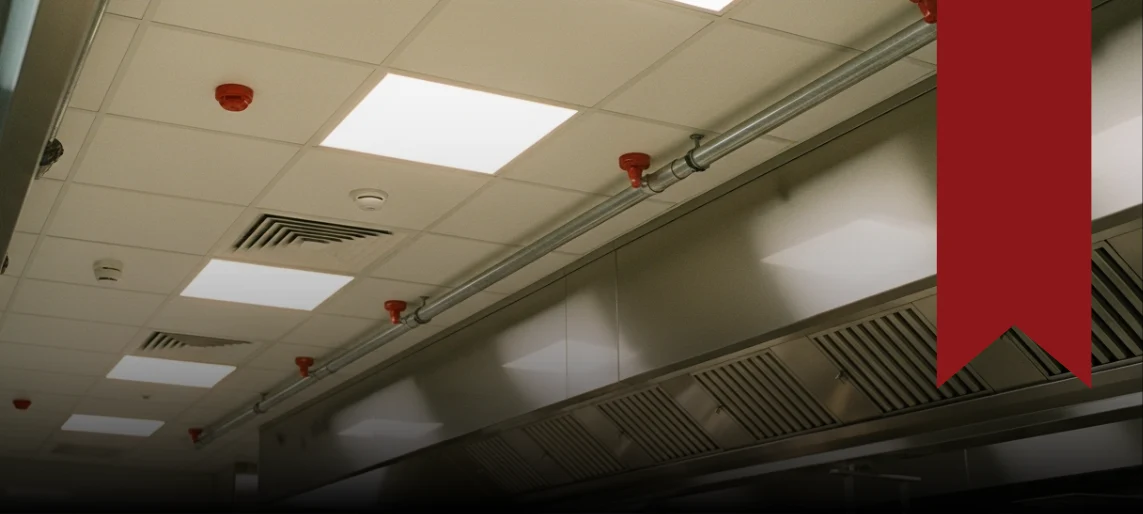
• Fire suppression nozzles correctly positioned and unobstructed
• Fully sealed grease ducts
• Accessible panels for inspection and cleaning
Red flags inspectors notice immediately:
• Grease buildup on ceiling tiles or hood seams
• Missing or expired fire suppression tags
• Equipment added under a hood not designed for it
Pipes, Sprinklers & Utilities Above Food Areas
Any utility overhead must be controlled to prevent contamination.
Best practices include:
• Insulated, drip-free piping
• No condensation above food or clean equipment
• Approved covers for sprinkler heads
• Securely mounted conduits and utilities
Condensation or corrosion above prep areas is one of the fastest ways to fail inspection.
Structural & Hidden Issues Operators Miss
Looking up often reveals issues that don’t show up on equipment spec sheets:
• Water stains or signs of roof leaks
• Rusting supports or fasteners
• Improper ceiling penetrations
• Pest entry points around pipes or ducts
These are frequently cited during inspections and expensive to correct later.
Commercial Kitchen “Look Up” Checklist
(Use this before inspections, renovations, or sign-off)
Lighting
☐ Shatter-protected fixtures installed over food, prep, and dish areas
☐ Fixtures are clean, intact, and securely mounted
☐ Adequate brightness for task areas
☐ Burnt-out bulbs replaced promptly
Ceilings
☐ Ceiling tiles are smooth, non-porous, and washable
☐ No missing, stained, sagging, or moldy tiles
☐ No exposed insulation or unfinished surfaces
☐ Penetrations are sealed and cleanable
Ventilation & Fire Safety
☐ Hood sized correctly for equipment below
☐ Fire suppression system inspected and tagged
☐ Nozzles unobstructed and properly aimed
☐ No grease buildup on ceilings, ducts, or hood seams
Pipes, Sprinklers & Utilities
☐ Pipes insulated and drip-free
☐ No condensation forming above food or clean equipment
☐ Sprinkler heads have approved covers
☐ Utilities securely mounted and corrosion-free
General Overhead Condition
☐ No water intrusion or roof leak indicators
☐ No rusting structural components
☐ No pest access points around utilities
Why Overhead Details Matter
Ignoring what’s above the ceiling line affects:
• Health inspection outcomes
• Fire and life safety compliance
• Equipment lifespan
• Insurance risk
• Energy efficiency
• Long-term maintenance costs
A commercial kitchen is a system—and overhead components are just as critical as the equipment on the floor.
Aldevra’s Perspective
At Aldevra, we help operators, designers, and facility teams think beyond individual pieces of equipment. Kitchens perform best when lighting, ceilings, ventilation, and utilities are designed together, not treated as afterthoughts.
Looking up early saves time, money, and stress later.
Frequently Asked Questions
What type of lighting is required in a commercial kitchen?
Commercial kitchens require shatter-resistant or shatter-protected lighting in food prep, storage, and warewashing areas.
Do commercial kitchens need shatterproof lights?
Yes. Shatter protection is required anywhere broken glass could contaminate food or clean equipment.
Are LED lights allowed in commercial kitchens?
Yes. LED lighting is widely allowed and preferred when fixtures meet food-safety requirements.
What type of ceiling tiles are approved for commercial kitchens?
Smooth, non-porous, washable materials such as vinyl-coated or PVC-faced tiles are commonly approved.
Are drop ceilings allowed in commercial kitchens?
Drop ceilings may be allowed if tiles are washable, properly installed, and well-maintained.
Is condensation above food a health code violation?
Yes. Condensation dripping above food, prep surfaces, or clean equipment is a common violation.
.png)
.png)