Steps
- Cannabis receiving
- Decarboxylation
- Oil or glycerin infusion
- Mixing & homogenizing
- Cooking
- Depositing
- Cooling
- Demolding / cutting
- Packaging
- Batch testing
- Storage
Cannabis edibles follow a highly structured, food-safe manufacturing process. Whether you’re producing gummies, chocolates, baked goods, or beverages, every batch goes through a series of controlled steps that ensure potency accuracy, product safety, and regulatory compliance.
1. Cannabis Receiving
Incoming cannabis materials—distillate, oil, isolate, kief, or flower—must be verified and logged before entering the production environment.
What Happens at This Step
- Verify vendor COAs (potency, residual solvents, microbials, heavy metals).
- Check packaging integrity and condition on arrival.
- Weigh and reconcile against manifest.
- Log cannabis into the state tracking system (Metrc, BioTrack, or equivalent).
- Move to secure storage.
Common Equipment
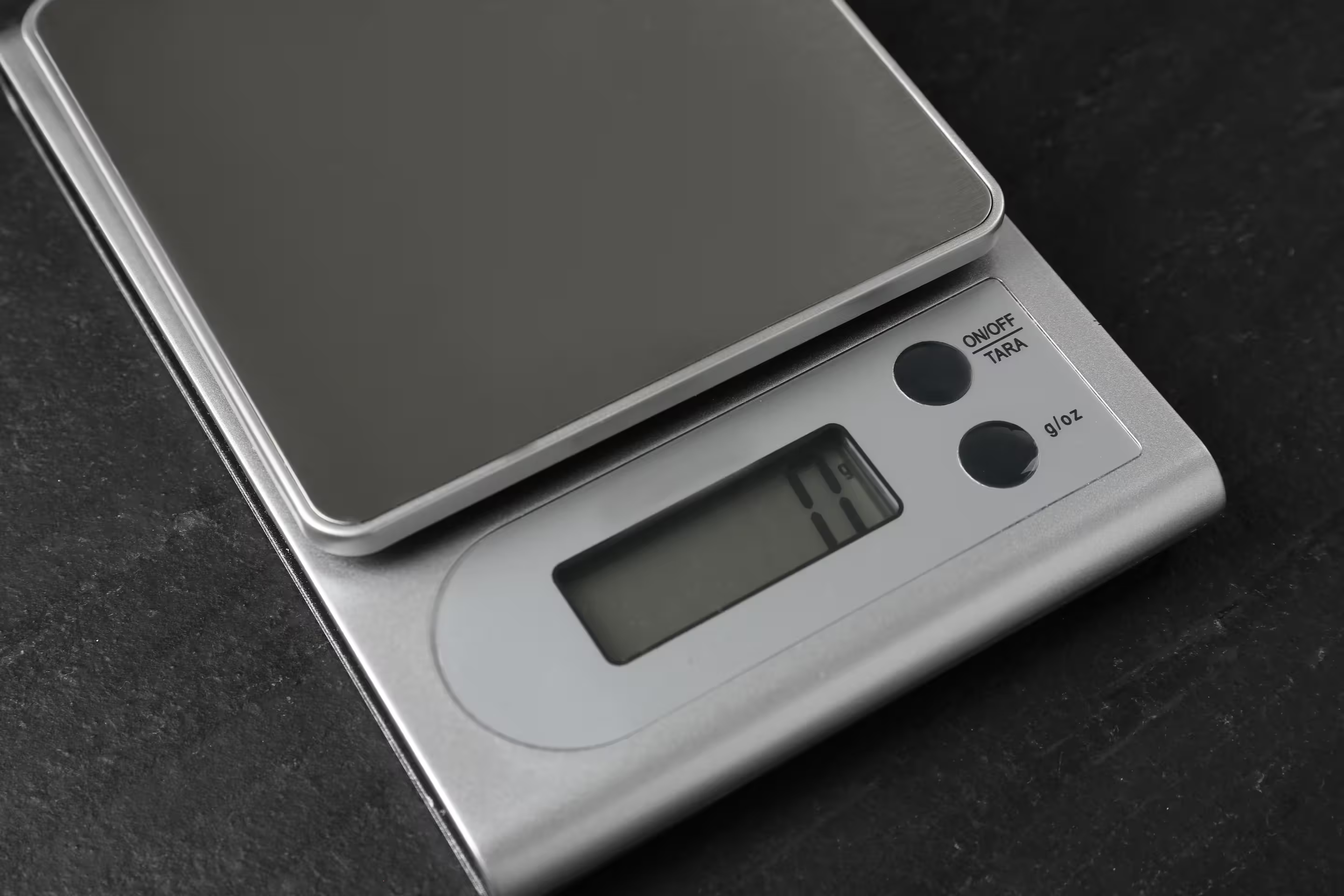
- Receiving scale
- Security cameras (24/7)
- Locked cannabis vault or cage
- COA + documentation workstation
Key Risks: incorrect potency, supplier inconsistencies, chain-of-custody errors.
2. Decarboxylation (Decarb)
If using raw cannabis flower or trim, it must be decarboxylated—heated to activate cannabinoids like THC and CBD.
What Happens Here
- Spread material on sheet pans for even heating.
- Heat at controlled temperatures to activate cannabinoids without burning.
- Log start/end times and final yield.
Common Equipment
- Commercial convection ovens
- Sheet pans and racks
- Temperature monitoring tools
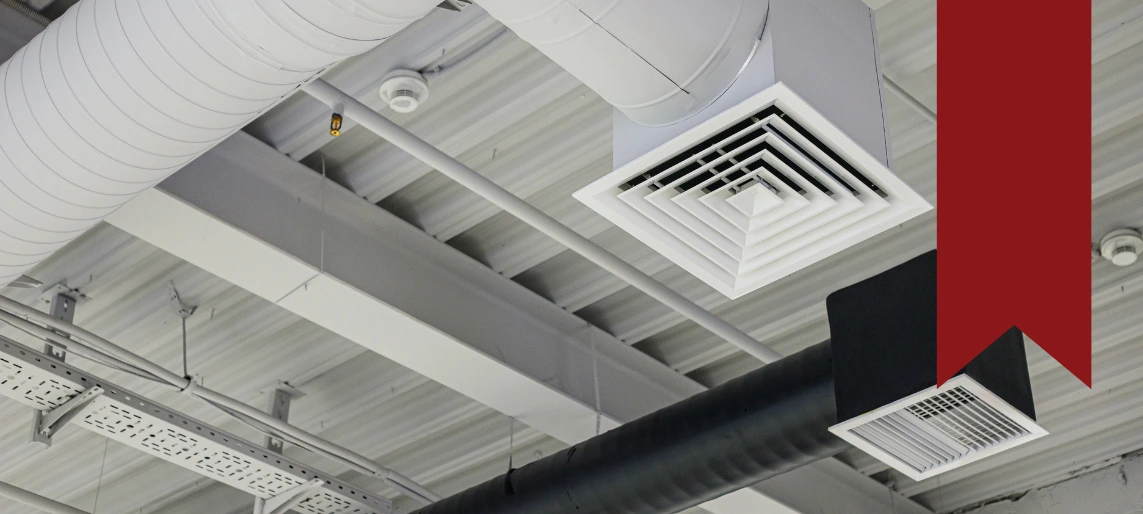
- Odor control/ventilation (exhaust + make-up air)
Key Risks: under-activation, over-activation (THC degradation), odor complaints.
3. Oil or Glycerin Infusion
Cannabis material is infused into a carrier like MCT oil, coconut oil, butter, or glycerin to create a consistent intermediate ingredient.
What Happens Here
- Combine decarbed cannabis with fat or glycerin.
- Heat and mix under controlled conditions.
- Strain (if flower-based).
- Assign a sub-lot number to the infusion batch.
Common Equipment
- Steam-jacketed kettles
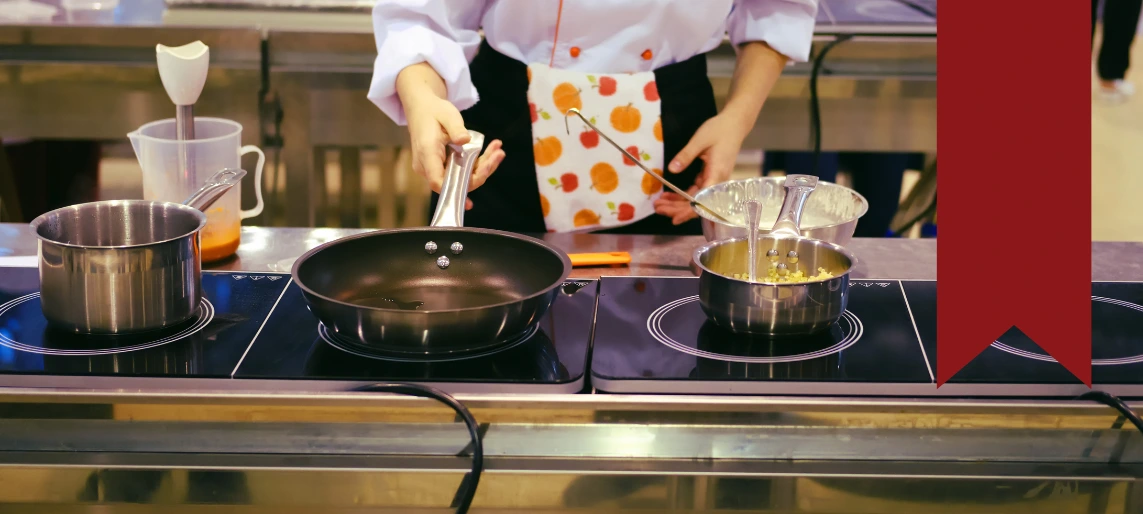
- Induction burners
- Precision temperature controls
- Strainers or filtration systems
- Food-grade storage containers
Key Risks: inconsistent potency, incomplete filtration, microbial contamination.
4. Mixing & Homogenizing
This is where the infused component is blended thoroughly into the edible base.
What Happens
- Weigh out all ingredients using batch formula.
- Add infused oil into the product base.
- Use high-shear mixers or emulsifiers to ensure uniform cannabinoid distribution.
- Record time, mixing speed, and batch ID.
Common Equipment
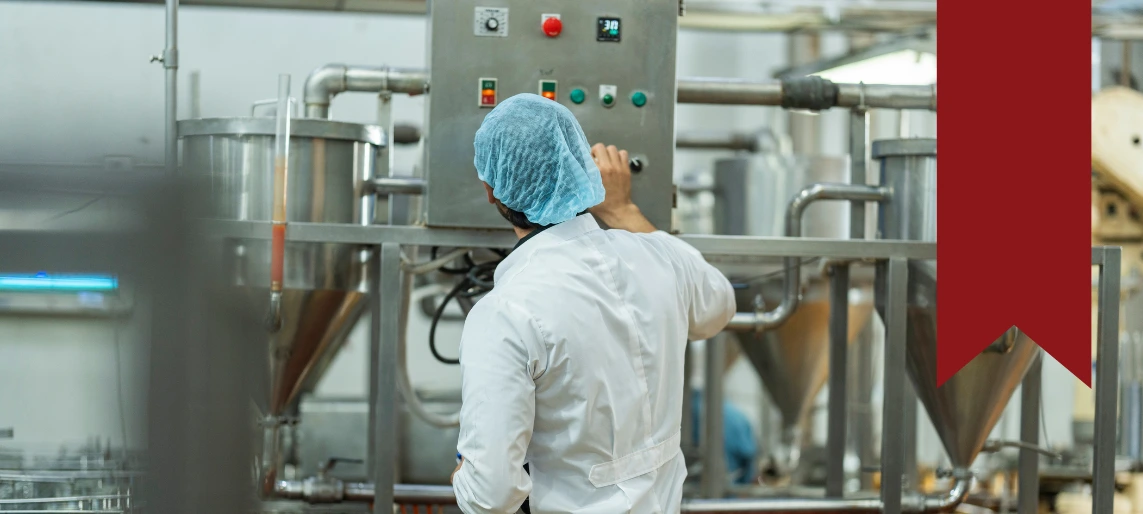
- High-shear mixers
- Planetary mixers
- Immersion blenders
- Food processors
- Stainless steel mixing bowls
Key Risks: potency inconsistency, poor emulsification, separation of oil and water phases.
5. Cooking
Each product category has a specific cooking process—boiling for gummies, tempering for chocolate, baking for edibles, pasteurizing for beverages.
What Happens
- Heat ingredients to correct temperature.
- Monitor viscosity and texture.
- Add infused component at the right stage for stability.
- Capture time and temperature logs for HACCP compliance.
Common Equipment
- Cooking kettles
- Ranges or induction burners
- Commercial convection or combi ovens
- Candy thermometers or digital probes
- Automated cookers (optional)
Key Risks: scorching, ingredient crystallization, incorrect potency, microbial survival.
6. Depositing
Once cooked, the edible mixture is dispensed into molds or trays.
What Happens
- Use depositors to portion exact weights.
- Avoid air bubbles and uneven fillings.
- Move trays quickly to avoid premature setting.
Common Equipment
- Gummy depositors
- Chocolate molding lines
- Portioning scoops (for small operations)
- Non-stick molds and sheet pans
- Conveyor or transfer carts
Key Risks: inconsistent unit size, air pockets, contamination.
7. Cooling / Setting
Products must cool at specific temperatures and humidity levels to reach final texture and stability.
What Happens
- Place deposited trays in a cooling room or blast chiller.
- Monitor ambient conditions closely (gummies are humidity-sensitive).
- Document time, temp, and RH as required.
Common Equipment
- Walk-in coolers
- Blast chillers
- Dehumidifiers (critical for gummies)
- Temperature/humidity sensors
Key Risks: slow cooling leading to microbial growth, sticky gummies, chocolate bloom.
8. Demolding / Cutting
Once set, products are removed from molds—sometimes requiring portioning or cutting.
What Happens
- Release gummies from molds or chocolate from forms.
- Cut slabs of baked or gummy products into equal doses using cutters or wires.
- Perform weight checks for dose accuracy.
Common Equipment
- Demolding tables
- Stainless steel worktables
- Cutting wires or guillotines
- Portioning scales
- Food-safe trays and racks
Key Risks: cross-contamination, inaccurate dosing, foreign objects.
9. Packaging & Labeling
Final packaging protects the product and ensures compliance.
What Happens
- Fill into pouches, jars, blister packs, or shrink-wrapped trays.
- Apply labels with THC content, serving size, batch number, required warnings, and expiration date.
- Verify label accuracy (SKU, potency, claims, allergen statements).
- Perform seal checks.
Common Equipment
- Heat sealers
- Automated packaging lines
- Label printers and verification scanners
- Induction sealers (optional)
- Checkweighers
Key Risks: mislabeled product, incorrect potency displayed, packaging failure.
10. Batch Testing (COA Compliance)
Before product leaves the facility, it must be lab-tested per state rules.
What Happens
- Select random, representative samples.
- Send to licensed labs for potency, microbials, residuals, and additives.
- Hold product until COA results are approved.
- Log all results in QA system and seed-to-sale system.
Common Equipment
- COA recordkeeping system
- Quarantine racks
- Retained sample storage containers
Key Risks: failed tests, out-of-spec potency, incomplete holds.
11. Final Storage & Distribution
Approved batches are moved to secure storage until shipped to licensed distributors or retailers.
What Happens
- Store product in a locked, monitored area.
- Maintain appropriate temperature for chocolates and beverages.
- Generate transport manifests and seed-to-sale transfer tags.
- Stage orders for pick-up or delivery.
Common Equipment
- Secure vault or caged storage room
- Inventory control system
- Refrigeration for temperature-sensitive edibles
- Rolling racks and pallets
Key Risks: inventory loss, unstable storage temperatures, mis-shipped batches.