Summary
Choosing the Right Ice for Beverages, Healthcare, and Institutional Use
Not all ice is the same. The type of ice you choose directly affects beverage quality, patient safety, service speed, equipment efficiency, and inspection risk. Below is a clear breakdown of the most common commercial ice types and how each performs in real facilities.
1. Full Cube Ice
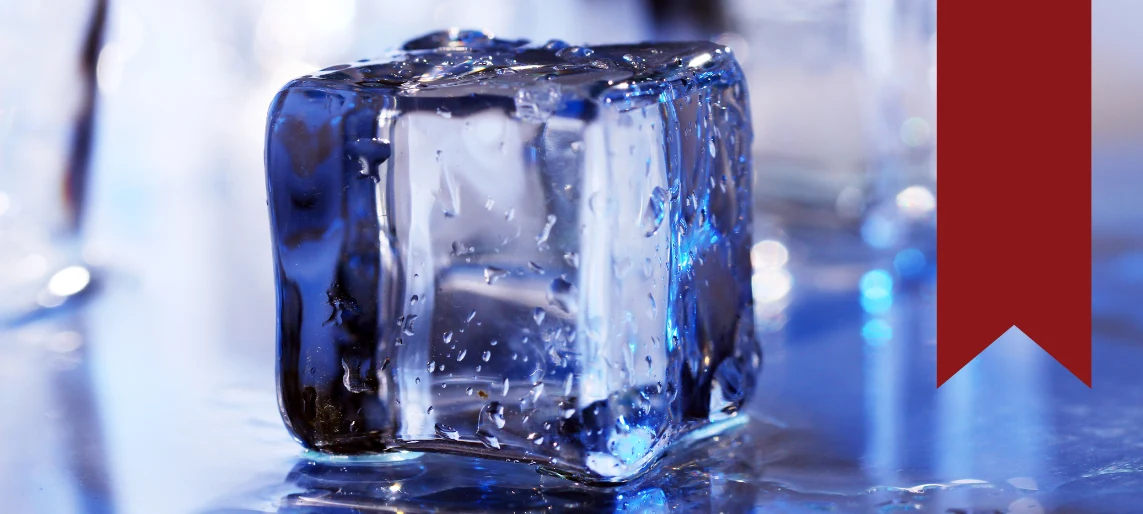
Large, solid cubes that melt slowly
Best for:
- Soft drinks
- Iced tea
- Cocktails
- Water service in cafeterias
Why it’s used:
- Slow melt rate
- Maintains drink temperature without watering it down
- Visually clean and professional
Use-Case Fit:
- Beverage Type: Soda, water, iced tea, cocktails
- Healthcare Use: Limited (not ideal for patients with chewing/swallowing concerns)
- School Cafeterias: Excellent
- Production Efficiency: High
- Melt Rate: Slow
Best environments: K-12 cafeterias, colleges, cafeterias, dining halls, bars
2. Half Cube Ice
Smaller version of full cube with faster cooling
Best for:
- Fast beverage cooling
- Self-serve drink stations
- High-turnover beverage programs
Why it’s used:
- Cools drinks faster than full cube
- Packs tightly in cups
- Good balance between speed and melt control
Use-Case Fit:
- Beverage Type: Soda, juice, fountain drinks
- Healthcare Use: Moderate (not ideal for all patient populations)
- School Cafeterias: Excellent
- Production Efficiency: Very high
- Melt Rate: Medium
Best environments: K-12 lunch lines, universities, quick-service dining
3. Nugget / Chewblet Ice
Soft, chewable ice made from compacted flakes
Best for:
- Patient hydration
- Bottle filling
- Soft drinks
- Therapeutic chewing
Why it’s used:
- Easy to chew
- Reduces choking risk
- High patient satisfaction
- Absorbs beverage flavor quickly
Use-Case Fit:
- Beverage Type: Water, soft drinks, hydration
- Healthcare Use: Best option
- School Cafeterias: Very good
- Production Efficiency: Medium
- Melt Rate: Faster than cube
Best environments:
VA medical centers, hospitals, clinics, long-term care, hydration stations, nurse units
4. Flake Ice
Thin, soft sheets of ice that form around products
Best for:
- Food displays
- Seafood
- Salad bars
- Medical transport cooling
Why it’s used:
- Conforms around food
- Provides consistent surface cooling
- Not intended for beverages
Use-Case Fit:
- Beverage Type: Not for drinks
- Healthcare Use: Medical cooling, transport
- School Cafeterias: Limited (food display only)
- Production Efficiency: Lower
- Melt Rate: Fast
Best environments: Food production, prep areas, medical transport, seafood displays
5. Specialty Ice
Clear ice, gourmet cubes, and custom shapes
Best for:
- Presentation
- Premium beverages
- Hospitality branding
Why it’s used:
- Visual impact
- Premium drink perception
- Event-focused applications
Use-Case Fit:
- Beverage Type: Cocktails, specialty drinks
- Healthcare Use: Not applicable
- School Cafeterias: Not applicable
- Production Efficiency: Low
- Melt Rate: Very slow (clear ice)
Best environments: Hospitality suites, executive dining, special events
Quick Comparison by Use Case
Why Ice Type Selection Matters
Choosing the wrong ice type leads to:
- Slower service
- Poor patient safety experience
- Higher melt waste
- Faster equipment wear
- Failed facility expectations
Choosing the right ice type improves:
- Beverage quality
- Hydration compliance
- Patient satisfaction
- Service speed
- Equipment life
Next Step CTA (Internal Links)