Summary
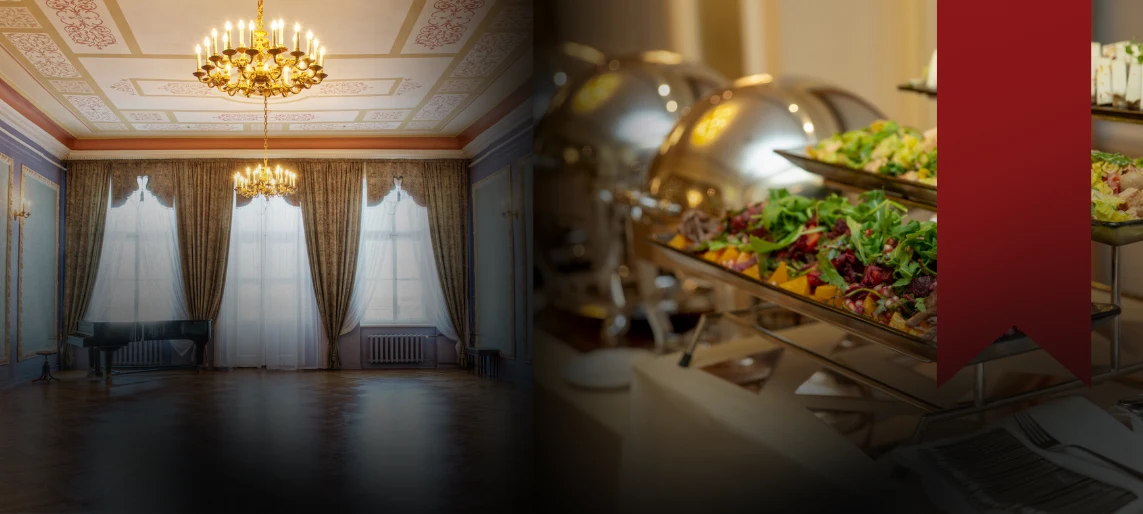
A banquet hall, community center, conference venue, or wedding venue requires more than attractive décor. Behind every successful event is a functional, well-equipped kitchen and service area capable of supporting high-capacity food prep, reheating, beverage service, and cleanup. This article breaks down the essential commercial kitchen equipment, smallwares, furniture, and fixtures event venues need to operate efficiently while meeting health, fire, and building code requirements. From ventless cooking solutions to banquet seating and modular buffet stations, Aldevra helps operators choose durable, compliant products that match their service model and budget.
1. Foodservice Equipment
Even if the space isn’t a full-service restaurant, event venues still need kitchen infrastructure that can support catering, warming, and basic food prep. Consider the following:
- Refrigeration Units
- Reach-in refrigerators and freezers
- Undercounter or prep table coolers
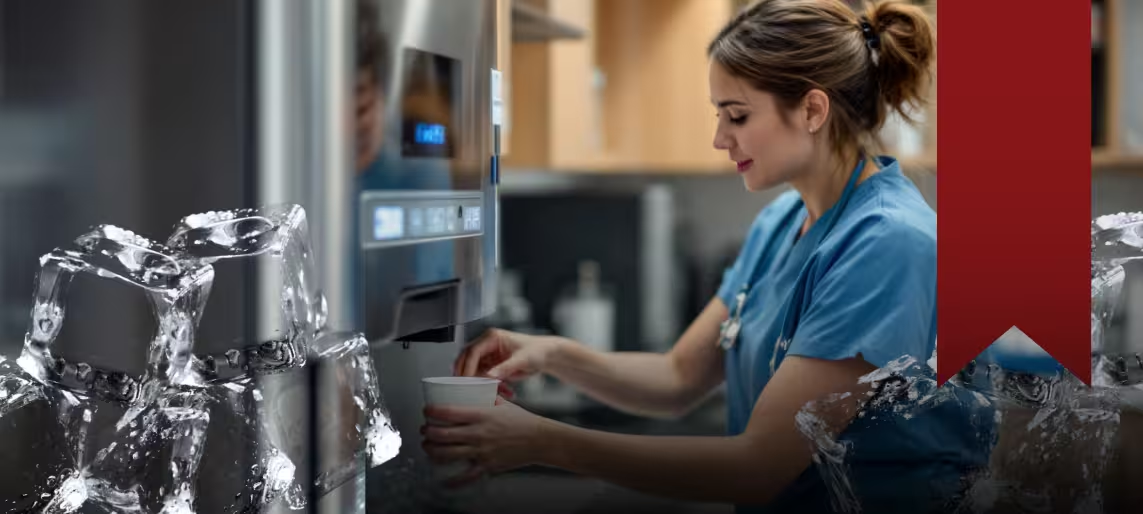
- Ice machines (ideal for beverage stations and catering)
- Cooking Equipment
- Convection ovens or combi ovens for reheating and finishing food
- Countertop warmers, hot plates, and induction burners for prep stations
- Steam tables or holding cabinets to keep food warm before service
- Ventilation & Fire Suppression
- Depending on cooking activities, a proper exhaust hood system may be required by code. However, for event spaces where installing a Type I hood is cost-prohibitive or not feasible due to structural limitations, ventless equipment is a smart alternative. Many combi ovens, fryers, and griddles now come with built-in filtration and recirculation systems that meet UL and NFPA standards.
- Ventless solutions can reduce installation costs, simplify compliance, and provide flexibility in layout — making them ideal for multipurpose spaces or venues without traditional kitchen infrastructure.
- Dishwashing Equipment
- Undercounter or conveyor dishwashers for venues with on-site dishwashing
- Three-compartment sinks for manual wash/rinse/sanitize processes
2. Smallwares & Supplies
Details matter when you're serving guests. These items are essential for efficient service and back-of-house organization:
- Serving Equipment
- Chafers, ladles, serving trays, dispensers, and beverage urns
- Heat lamps or strip warmers for buffet lines
- Kitchen Tools
- Knives, cutting boards, food pans, utensils, and prep containers
- Thermometers and portion control tools
- Cleaning & Sanitation
- Mop sinks, hand sinks, soap dispensers, and sanitation buckets
- Trash and recycling receptacles with lids and liners
3. Furniture & Fixtures
The right furniture supports both functionality and guest experience. Aldevra offers NSF- and BIFMA-compliant options suited for indoor and outdoor event environments:
- Tables & Seating
- Folding banquet tables, round dining tables, high-top cocktail tables
- Stackable chairs, banquet chairs, or padded seating for comfort
- Mobile & Storage Solutions
- Utility carts, dish dollies, folding table carts, and transport racks
- Serving Line & Buffet Stations
- Portable sneeze guards, modular hot/cold food stations, and custom foodservice counters
- Outdoor Event Options
- Weather-resistant tables and chairs
- Tent or canopy accessories and portable cooking/warming solutions
Why Choose Aldevra?
We deliver tailored solutions and partner with manufacturers who understand commercial-grade durability, compliance, and value. Whether you're building from scratch or upgrading an existing venue, we help you identify what’s essential, stay within budget, and meet local code requirements.
Planning an event space?
Let Aldevra help you design, supply, and equip it — so you’re ready to host events that leave a lasting impression.
📩 Contact us today to get started.
FAQ: What Equipment and Supplies Does an Event Space Need?
1. Do event spaces really need commercial kitchen equipment if food is catered?
Yes. Even if caterers bring fully prepared meals, most venues still need refrigeration, warming equipment, ice machines, and basic prep areas. These support beverage service, last-minute reheating, food holding, and safe storage throughout the event.
2. What’s the difference between a full kitchen and a “catering support kitchen”?
A full kitchen includes cooking equipment, hoods, prep areas, and dishwashing.
A support kitchen focuses on holding, reheating, staging, and beverage service. Most event spaces fall into the support category unless they prepare meals from scratch.
3. Do all event venues need a ventilation hood?
Not always. Ventilation requirements depend on the type of cooking. If open-flame or grease-producing equipment is used, a Type I hood is required by code. For venues that want flexibility or can’t install a hood, ventless combi ovens, fryers, and griddles that meet UL/NFPA standards are an excellent alternative.
4. What are the most essential equipment items for a typical event space?
Common must-haves include:
• Reach-in refrigeration or undercounter coolers
• Ice machines
• Convection or combi ovens for reheating
• Holding cabinets or steam tables
• Under-counter dishwashers or 3-compartment sinks
• Warming equipment such as chafers and heat lamps
5. What smallwares do event spaces often overlook?
Venues frequently forget serving utensils, thermometers, prep tools, beverage dispensers, bussing supplies, storage containers, and sanitation buckets. These items keep service organized and compliant.
6. What type of furniture is best for large gatherings?
Commercial-grade, NSF or BIFMA-certified furniture performs best. Folding banquet tables, stackable chairs, cocktail tables, and mobile carts are standard. For outdoor venues, weather-resistant materials help extend the life of seating and tables.
7. How can ventless equipment help event venues?
Ventless units eliminate the need for expensive hood installation and give operators flexibility in where equipment can be located. They’re ideal for multipurpose halls, historic buildings, and facilities where construction is limited.
8. Should event spaces have dishwashing capabilities?
If reusable plates, glasses, or flatware are used, dishwashing equipment is essential. High-volume venues benefit from undercounter or conveyor dishwashers. Smaller venues can use 3-compartment sinks if they meet local code requirements.
9. What should operators consider before purchasing equipment?
Key considerations include capacity needs, utility availability (electric, gas, water), space constraints, local code requirements, workflow, and whether the equipment must be mobile or permanently installed.
10. How does Aldevra help event spaces get started?
We assist with layout planning, equipment selection, furnishing, compliance requirements, and installation. Our team recommends durable, commercial-grade products that match your service model, guest capacity, and budget.
.png)
.png)